Pale Waters
Reading Night Water and Soil
Cool night air settles over damp garden beds as September twilight fades into deep shadow. Up along Artist Point Ridge, late summer snowfields glisten under open sky while mountain hemlocks stand sharp against stars. Down on Fir Island Agricultural Flats, sea mist drifts across harvested corn fields and dark tidal channels. Stepping outside after dark offers a distinct perspective on how water moves through your garden. The waning gibbous moon rises late over the Cascades, casting a cold silver beam across sloped garden paths. Watching where moonlight reflects on damp ground exposes subtle hydrological pathways that remain completely invisible under bright afternoon sun. Standing in soggy socks at midnight while staring intently at mud puddles might feel slightly unhinged to your neighbors, but your garden appreciates the dedication.
When moonbeams strike saturated earth, standing water catching the pale glare of a clearing sky reveals exact low points where runoff collects. In permaculture spatial design, observing night hydrology provides immediate feedback on how water moves across your property. The earth-bound energy of Taurus during this gibbous lunar phase encourages a grounded, physical focus on soil structure, root depth, and passive water retention. As the moon wanes, plant sap slowly draws downward toward subterranean root zones, making this an ideal window to map contours and plan keyline earthworks. The night garden operates without pretense; water follows gravity regardless of where you intended your paths to be.
Mapping Contour Flow in Darkness
Observing your garden under waning moonlight allows you to mark natural water collection zones without disturbing soil structure. Use wooden stakes or stone markers to map puddle edges during late-night walks. These markers identify natural keypoints where sloped ground transitions into shallow valley depressions. Rather than fighting natural drainage lines, shaping cross-slope swales along marked keylines guides excess water toward dry, thirsty ridges. You can explore our ecological design services to help you transform these observed drainage patterns into permanent self-watering earthworks.
Soil biology responds quietly to these nocturnal moisture patterns. Earthworms emerge from deep vertical burrows under cover of darkness, pulling fallen leaves beneath topsoil while creating porous air channels that improve water infiltration. Fungal networks expand through damp subsoil fractures, weaving microscopic threads that bind mineral particles into crumbly, water-holding aggregates. How often do you pause in the dark to listen to earthworms rustling under damp leaf litter? These tiny soil builders perform their most essential work while the human world sleeps.
Luminous Plants for Evening Gardens
Highlighting pale, night-blooming botanicals along garden pathways creates luminous reflective corridors that guide evening walks while supporting nocturnal pollinators.
Oenothera biennis (Evening Primrose) unfurls its pale yellow petals as dusk falls, releasing a sweet, subtle perfume into cool night air. Opening specifically for evening moths, this native biennial features deep taproots that break up compacted subsoils, opening deep channels for winter rain absorption. Positioning evening primrose along garden borders creates a striking visual guide under moonlight while physically improving soil drainage.
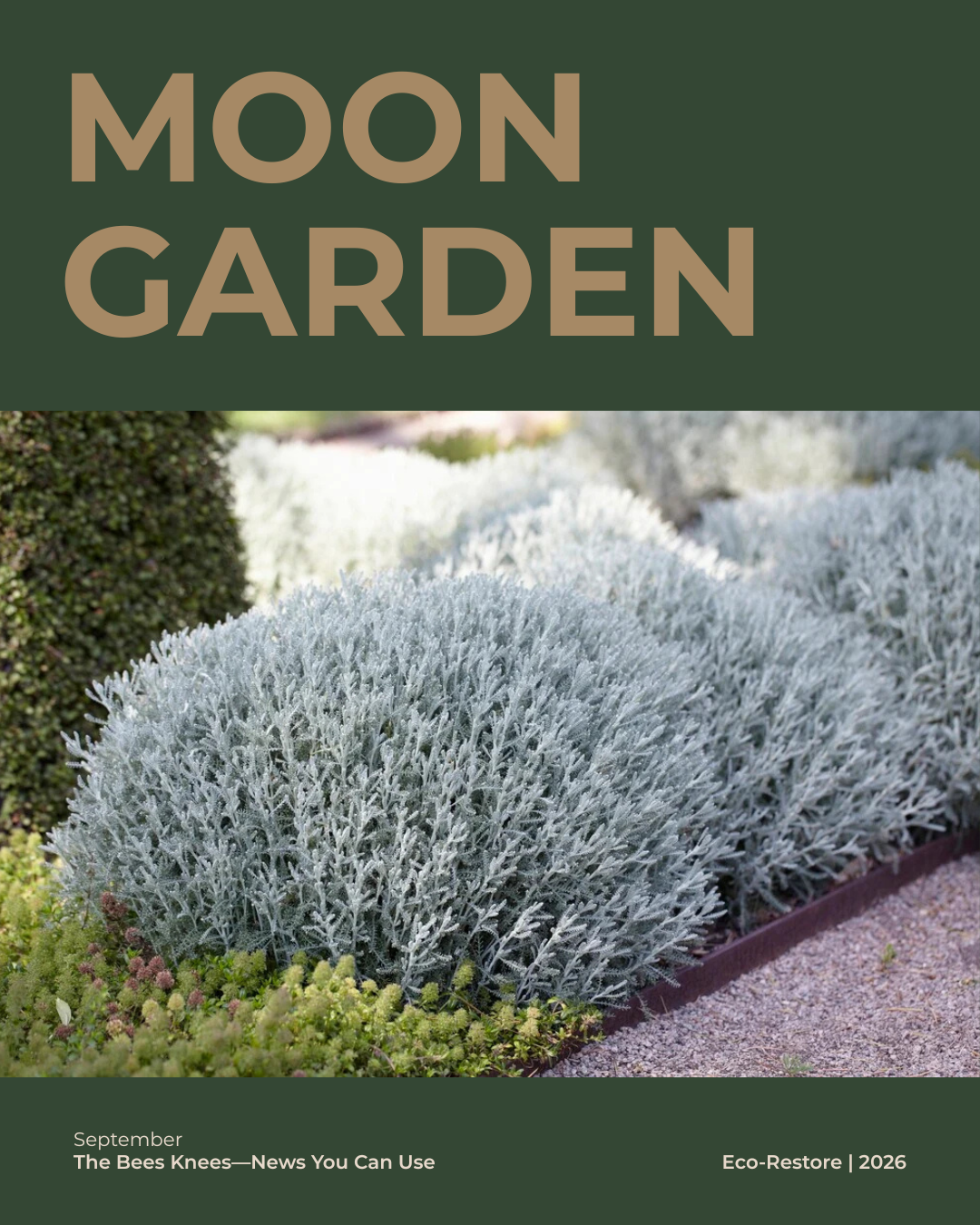
Santolina chamaecyparissus (Lavender Cotton) forms dense, mounding mounds of brilliant silver foliage that glows under waning moonlight. Its aromatic, resinous leaves contain natural essential oils that deter garden pests while thriving in lean, well-drained soils along dry ridge shoulders. Positioning silver lavender cotton along contour mounds provides year-round visual structure and defines pathway edges during dark evening strolls.
Integrating night-flowering species and silver foliage creates sensory resting nodes across your garden beds. Discover how our consulting and coaching options assist you in designing night garden guilds tailored to your site's unique solar and moisture conditions.
Cultivating Night Water Retention
Working with waning lunar rhythms involves preparing soil beds to receive heavy autumn precipitation without compacting fragile topsoil horizons. Top-dressing exposed garden beds with leaf mold or coarse compost before early rains arrive prevents erosion. Surface mulches cushion topsoil against heavy raindrop impact, preventing surface crusting and allowing water to sink gently into underlying root zones. Spreading two inches of decomposed maple leaves across moist soil creates a subterranean sponge that captures late-season moisture.
Dividing mature perennial herbs and flowers during the waning gibbous moon encourages rapid root re-establishment before winter dormancy sets in. Lift overgrown perennial crowns gently with a digging fork, splitting roots into vigorous divisions. Replanting divisions along keyline channels takes full advantage of subterranean water redirection, ensuring young roots receive consistent moisture throughout upcoming wet months. Divided perennials often look mildly offended for forty-eight hours before settling happily into their new contoured homes.
Night observation also highlights how microclimates vary across sloped ground. Cold air drains downhill like water, pooling in low depressions alongside heavy runoff. Identifying these frost pockets under a clear moonlit sky guides plant placement for upcoming seasons. Positioning cold-sensitive perennials on warmer, elevated ridge shoulders protects tender foliage while directing excess moisture away from root crowns.
Preserving soil integrity during wet autumn nights requires minimal foot traffic across saturated beds. Stepping on wet soil crushes delicate pore spaces, destroying the structural channels that fungal networks and earthworms work tirelessly to construct. Establish permanent timber or gravel access paths to protect growing beds from compaction during late-season maintenance.
Reviewing previous seasonal reflections, such as Vision and Balance, illustrates how aligning garden tasks with lunar phases builds long-term ecological resilience. Watching the waning moon slip behind gathering rain clouds signals that Western Washington's long wet season has truly begun. Will you walk your garden pathways under tonight's waning moon to discover where returning autumn water wants to flow?