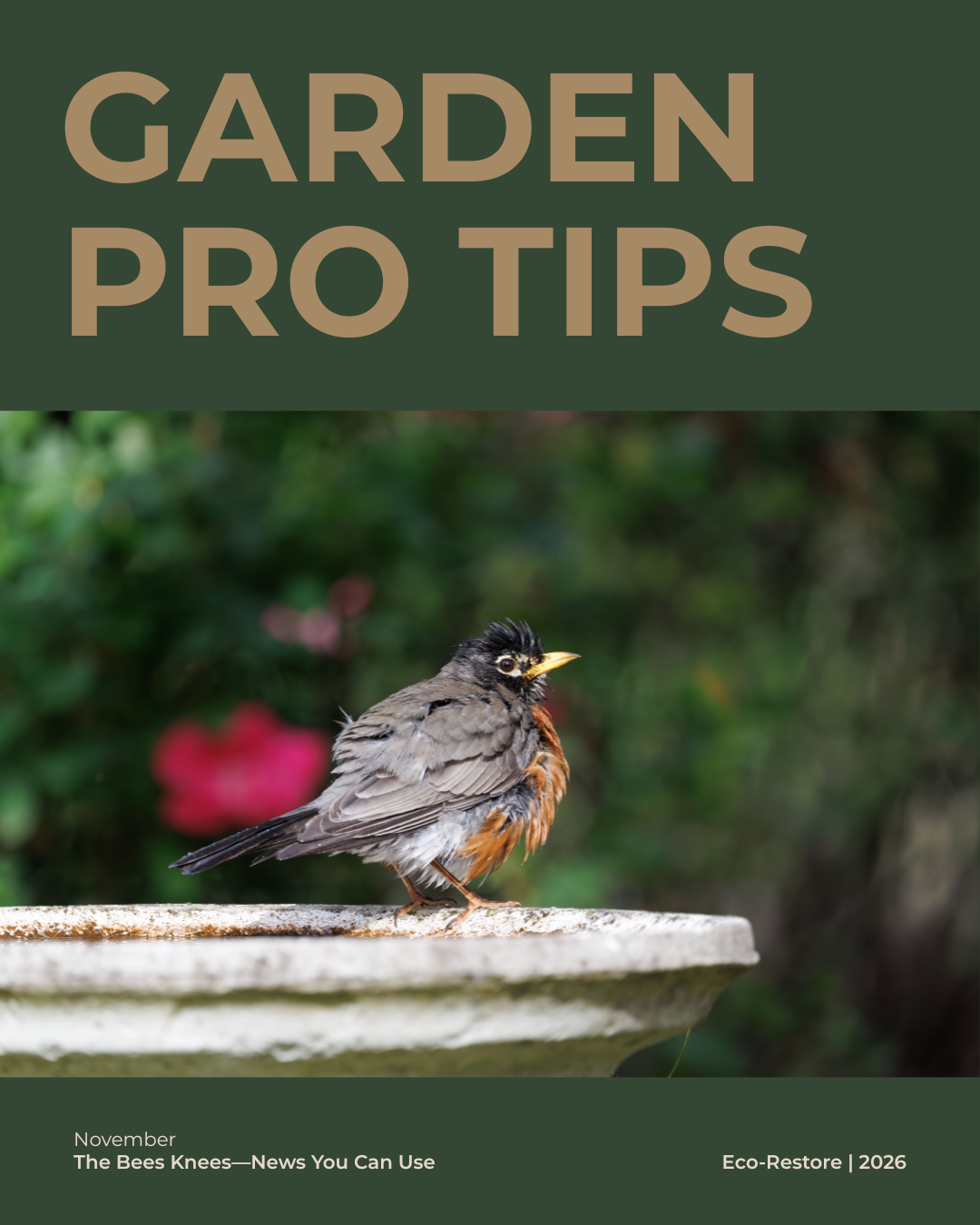
Set a shallow basalt sip bowl on a mossy garden ledge in December, drop three flat river pebbles into the center, and watch a chestnut-backed chickadee land on the stone rim within ten minutes. Out along the tidal channels of Steamboat Slough, where wind ripples across brackish water and tangled willow thickets lean over muddy dikes, winter survival depends on those exact inches of sheltered cover and unfrozen moisture. Even when your vegetable beds appear quiet under gray skies, an active web of overwintering birds, predatory beetles, and dormant vines relies on how you manage the vertical layers of your yard right now.
Securing Cloches and Dormant Vines
December weather across Western Washington tests every structural shortcut you took in October. When freezing outflow winds drop down the Cascade River valley and heavy wet snow loads bare branches, loosely anchored hoop tunnels turn into sails overnight. Treat your winter cloches and trellises like mini forest canopies—anchored firmly at ground level so gusts slide over curved profiles instead of catching loose edges.
Walk your covered beds before the next storm front arrives and check every anchor point. Weigh down plastic or spun-fabric edges with filled sandbags, heavy timbers, or bricks spaced every two feet so winter squalls cannot lift a corner and flash-freeze your cold-frame greens. Keep hoops spaced no more than three feet apart to support wet coastal snow without collapsing onto tender spinach or corn salad below, and prop vents open a few inches on mild afternoons above 40°F so trapped humidity does not invite mold.
December is also your primary window for pruning dormant kiwi and grape vines while sap flow sits at its winter low. Pruning woody vines in early winter prevents heavy spring sap bleeding and opens tangled upper tiers so low-angle sunlight reaches understory beds beneath them. Cut back lateral grape canes to two or three buds per spur, and thin overcrowded kiwi tangles to leave well-spaced fruiting wood along your trellis wires. While you have your catalog stack beside the woodstove, place early seed orders now before regional varieties sell out.
Building Multi-Tiered Bird Corridors
Most gardeners hang a single suet feeder on a bare pole and wonder why songbirds dart away at the slightest shadow. Birds and beneficial insects rarely cross wide, exposed expanses; they move safely through contiguous corridors that step down from tall trees to dense shrubs and ground-level cover. Shorn geometric hedges and isolated specimen plants leave wildlife exposed to hawks and biting wind.
Instead of tidying every corner, build layered refuge across your property:
Anchor the ground tier with deadwood and stone. Leave a rotting stump, a partially buried log, or an upright snag where wood-boring grubs feed overwintering flickers and nuthatches. In a shaded corner, stack flat stones, bricks, and sticks around a small water basin to build a winter beetle house where ground beetles, spiders, and pill bugs shelter until spring. As we noted when exploring subterranean allies in Multitudes in the Mulch, protecting these ground-dwelling predators now saves you from battling slug and aphid outbreaks in May.
Keep bunching grasses and seedheads intact. Resist cutting down ornamental bunching grasses, fennel, globe thistle, and goldenrod until late winter. Their hollow stems insulate native bees, while their dried seedheads supply high-fat winter forage and nesting fibers.
Provide unfrozen drinking stations. Shallow saucers filled with water and landing stones let winter birds and surviving insects drink without risking deep water. Rinse and refill them every few days so ice and algae never build up.
A neat winter yard is often just an empty pantry with good curb appeal.
Herbaceous, Shrub, and Canopy Layers
When planning next spring's plantings to strengthen your yard's vertical refuge, combine native woody tiers with hardy perennial herbs and vegetables:
Herbaceous Layer: angelica, aster, bee bread, borage, clover, collards, corn salad, fennel, globe thistle, goldenrod, kale, parsley, sword fern, valerian, and vetch.
Mid-Story Shrub Layer: California lilac, currants and gooseberries, elderberry, evergreen huckleberry, honeysuckle, Indian plum, kinnikinnik and manzanita, ocean spray, Oregon grape, Pacific wax myrtle, red twig dogwood, salal, salmonberry, serviceberry, shrub roses, silk-tassel, thimbleberry, and viburnum.
Upper Canopy Layer: bitter cherry, black hawthorn, cascara, chinquapin, crab apple, Douglas fir, Garry oak, and madrona.
If you want help weaving these multi-tiered native plantings into an existing yard, our turnkey specialty gardens establish certified wildlife habitats matched to Western Washington microclimates.
Curing and Simmering Winter Squash
Stepping back inside from cold drizzle brings you to your pantry's stored summer yield. Winter squash keeps for months only if its rind has properly cured and hardened before storage. Test every stored squash by pressing your thumbnail firmly against the skin; if the rind resists denting and the stem feels dry and woody, the fruit is sealed against storage rot. Inspect skins carefully for bruises or scratches, leave stems attached, and keep unblemished squash in a cool, dry room—cooking any nicked fruit first.
Turn one of those cured acorn or butternut squash into a warming pot of winter soup:
Preheat your oven to 350°F, halve one acorn or butternut squash, scoop out the seeds, rub the cut faces with olive oil, and roast cut-side down on a baking sheet for 45 to 60 minutes until tender.
Let the squash cool enough to handle, then scoop the soft flesh into a bowl and set it aside.
Warm 2 tablespoons of olive oil in a heavy stockpot over medium heat and sauté 2 to 3 diced shallots until translucent.
Stir in 1 to 2 crushed garlic cloves, 1 teaspoon of sage, and 1 teaspoon of rosemary for about 1 minute until fragrant.
Add 4 to 6 cups of water, vegetable broth, or chicken broth along with the roasted squash flesh, season with salt and pepper to taste, simmer until heated through, and puree smooth if desired.
For hands-on assistance with winter pruning, drainage checks, or seasonal care schedules, our structured design services pair long-term planning with ongoing stewardship support.
Before dusk settles tonight, place a shallow dish with three flat stones and fresh water outside your back door or on a sunny balcony railing. Which corner of your outdoor space could hold a simple winter refuge for birds and overwintering garden allies this month?