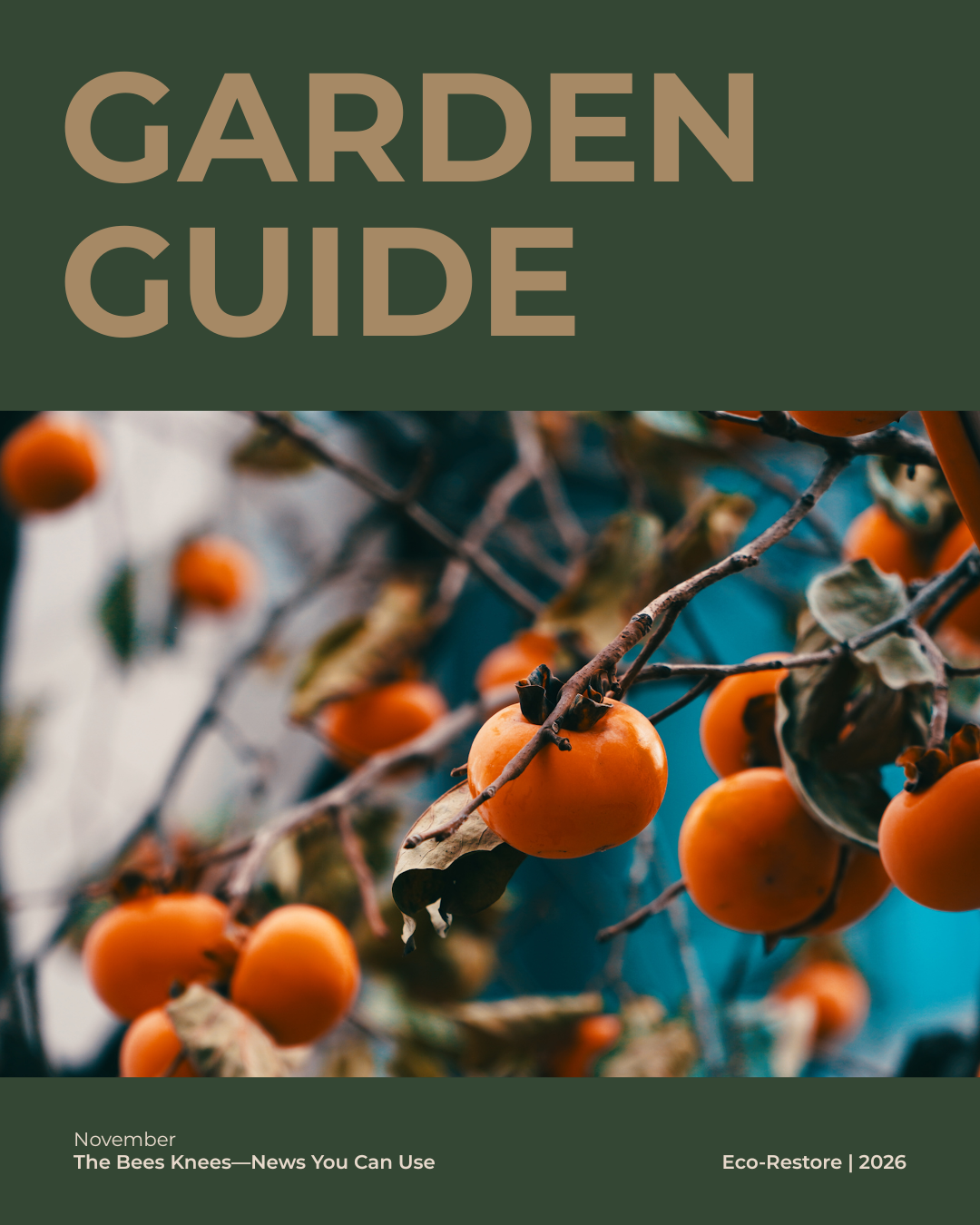
Snap a single dangling russet persimmon off a bare branch after a hard December freeze, and the fruit yields in your palm like warm apricot jam wrapped in tissue paper. Across the flat alluvial bottoms along the Nookachamps Creek farmlands, low morning fog clings to bare orchard limbs while frost crystals rim the ruffled leaves of overwintered kale below. Even in the darkest weeks before the solstice, your garden continues to feed you across every vertical tier, from late fruit hanging at the canopy margin down to crisp roots tucked beneath damp earth.
Walking your beds in December feels very different from the frantic picking of July. Cold temperatures convert stored plant starches into soluble sugars, making winter brassicas and roots sweeter after a freeze than they ever taste in autumn. As we explored when gathering late-autumn crops in Sweetened by Frost, timing your winter harvest around afternoon thaws protects both leaf texture and root flavor.
Gathering the Winter Tier
Start at eye level and work downward through your garden's sheltered pockets. Late apples, fuzzy kiwi, medlar, and persimmons hang on bare wood where afternoon light still reaches the upper branches; twist them gently from their spurs once frost softens their astringency. Below those woody limbs, your mid-story and understory beds hold greens that thrive in cool maritime air, especially where taller shrubs buffer biting north winds.
Harvest outer leaves from kale, collards, and Swiss chard rather than cutting whole crowns, leaving the central growing points intact for spring regrowth. Snap Brussels sprouts upward from the bottom of each stalk where tight buds mature first, and cut side shoots of overwintering broccoli with a sharp knife on dry afternoons. Inside unheated cold frames or low plastic cloches, lift flaps midday to snip tender arugula, corn salad, endive, lettuce, spinach, and Asian greens—never pull frozen leaves while they are still brittle with ice, or their cell walls will rupture and turn to mush.
Down at ground level, use a digging fork to loosen parsnips, turnips, and knobby Jerusalem artichokes before lifting them, working soil only when it crumbles rather than smears. Before stepping indoors, clear away any lingering summer debris from tomatoes, peppers, cucumbers, squash, eggplants, potatoes, and bush beans—along with any brassicas showing clubroot, garlic with basal rot, or stems carrying Botrytis—sending them to curbside yard waste rather than backyard compost. Leave healthy fennel, globe thistle, and bachelor's button seedheads standing so perennials harden into dormancy while finches, chickadees, juncos, and bushtits forage through the chill.
Complete December Harvest List
Tree and Vine Fruit: apples, fuzzy kiwi, medlar, persimmons
Brassicas and Stalks: broccoli, Brussels sprouts, collards, kale
Cold-Frame and Hardy Greens: arugula, Asian greens, corn salad, endive, lettuce, spinach, Swiss chard
Roots, Tubers, and Aromatics: chives, Jerusalem artichokes, leeks, parsnips, turnips
Winter Blossoms: calendula
Starting Slow Seeds Indoors
Once the mud is scraped off your boots, December invites you to shift from outdoor picking to warm indoor propagation. Tucked between cedar fences and brick porches in the Sunnyland neighborhood gardens, basement shelves and sunny kitchen windowsills quietly become nurseries months before spring arrives. Slow-germinating alliums and perennial flowers need a four-month head start under lights so they develop sturdy root systems before transplanting under cloches in late March or April.
Fill shallow seedling flats with a pre-moistened, sterile seed-starting mix so tiny seeds never fight heavy garden clods. Sow chives, leeks, scallions, bulbing onions, and alpine strawberry seeds roughly one-quarter inch deep, pressing them gently into the damp surface for firm seed-to-soil contact. Place the trays on a bottom-heating mat set between 65°F and 70°F, and hang cool fluorescent or LED shop lights two to three inches above the soil on a twelve-hour timer. Once green loops emerge, switch off the bottom heat and run a small oscillating fan nearby to keep air moving across the soil surface.
If you want help mapping out indoor propagation schedules alongside your outdoor beds, one-on-one garden coaching can tailor sowing dates to your specific microclimate.
December Indoor Sowing List
Alliums and Berries: alpine strawberry, bulbing onions, chives, leeks, scallions
Early Flowers for Spring Cloches: geranium (Pelargonium spp.), pansy (Viola tricolor spp.), snapdragon (Antirrhinum spp.), viola (Viola spp.), yarrow (Achillea spp.)
A seed packet held in December is a quiet promise kept in slow motion.
Planning Edible Flower Borders
While you flip through regional seed catalogs with a steaming mug, plan where to weave edible blossoms into next year's perennial borders and vegetable bed ends. Integrating edible flowers across sunny margins feeds beneficial predatory insects while bringing bright color and peppery or honeyed flavor straight to your kitchen table. Many self-sow reliably once established, returning each season without extra work, though anyone with plant allergies should sample new blossoms cautiously.
Regional Edible Flowers to Plan
Culinary Herbs and Alliums: anise hyssop, basil, chervil, chives, cilantro, fennel, garlic, hyssop, Jerusalem sage, lavender, marjoram, mint, onions, oregano, pineapple sage, rosemary, sage, sweet cicely, tangerine sage, thyme
Annuals and Vegetable Blossoms: arugula, bachelor's buttons, beans, borage, calendula, corn salad, cucumbers, kale, love-in-a-mist, marigold, mustard, nasturtium, pumpkins, radishes, snow peas, squash, sunflower
Perennials, Biennials, and Woody Blooms: apples, begonia, carnation, chrysanthemum, clover, daisy, day lily, dianthus, English daisy, forget-me-not, fuchsia, geranium, gladiolus, hollyhock, honeysuckle, Johnny jump up, lavatera, mallow, pansies, primrose, red dead nettle, rose, snapdragon, strawberry, sweet rocket, sweet violets, violas
If you are dreaming of a dedicated kitchen border woven with perennial herbs and edible blooms, our specialty edible and medicinal gardens pair regional varieties into low-maintenance plantings suited to Western Washington soils.
Tonight, clear a small space on a kitchen counter or windowsill, set out a single tray of damp seed-starting mix, and press a dozen leek or pansy seeds into the surface before making tea. Which winter crop or early indoor seedling will anchor your table between now and spring?