Productivity of the In-Between
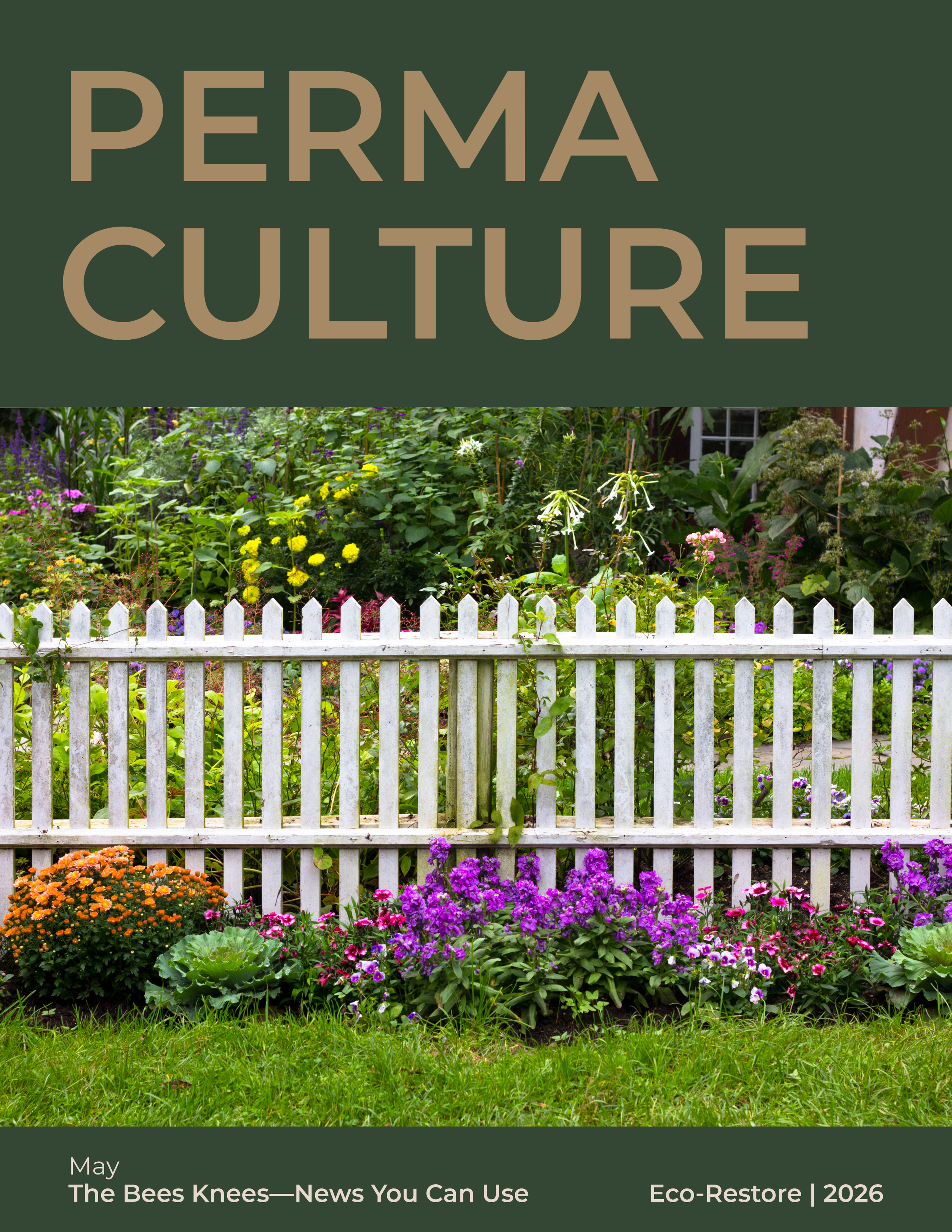
Why the busiest parts of the garden are the ones we haven't planted yet.
In the ecology of the Pacific Northwest, life does not prefer the center of the clearing. It clusters at the hem of the forest, in the transition between the deep shade of towering hemlocks and the raw light of the meadows. As we watch the mist rise from the moss-slicked surface of Fragrance Lake, the stillness of the deep water is a stark contrast to the frantic, teeming complexity of the shoreline. It is here, where the land meets the water in a complex embrace, that the true work of the ecosystem happens. This phenomenon is the heart of the Permaculture Principle: Use Edges and Value the Marginal. It teaches us that the marginal space is not a waste of geography; it is a biological engine.
In our gardens, we often treat the edge as a nuisance—a boundary to be tidied, a line to be weeded, or a fence to be hidden. But what if we viewed the perimeter as the most valuable asset in our landscape? The edge effect tells us that the intersection of two different environments is always more productive and diverse than either environment on its own. How many opportunities for collaboration are we missing because we are focused only on the main production zones? Does the robin care about your property line, or is she more interested in the height of the elderberry at the fence?
The Silver Seam of Connectivity
When we design for the marginal, we are participating in a conversation that nature has been having for eons. Near the winding, tidally influenced channels of Fisher Slough, the salt-tinged air of the estuary meets the nutrient-rich runoff of the Skagit Valley, creating a fertile chaos that supports everything from juvenile salmon to red-winged blackbirds. This is the silver seam of connectivity, where the overlapping of systems creates a safety net of resilience. In the garden, this looks like the "wild belt" between your lawn and your vegetable beds, where native pollinators find refuge and predatory insects wait to defend your cabbages from the seasonal uprising of aphids.
Are you brave enough to let the edges of your landscape get a little bit wild? The marginal spaces are often where the most creative solutions emerge. By valuing the weedy corners and the neglected slopes, we allow the garden to self-organize, fostering a degree of health that no amount of human intervention can replicate. A garden that is all "center" and no "edge" is a fragile system, prone to collapse under the pressure of a single pest or a dry week. We often think of our yards as a collection of separate objects, but the real magic is that gleaming stitch where the terrestrial meets the aquatic.
Cultivating the Marginal in the Maritime May
As the warmth of May truly takes hold, the metabolism of the landscape shifts into high gear. This is the time to audit your edges. We look for the microclimates created by the thermal mass of a stone wall or the windbreak provided by a thicket of Nootka rose. These are the places where the garden's potential is concentrated. By stacking functions along our boundaries—using a fence to support both peas and habitat—we turn a static line into a living, producing part of our ecology. Have you checked the temperature of the soil near your foundation lately? It’s likely a few degrees ahead of the open field, offering a head start to your most ambitious summer squash.
We support the development of these transition zones through our design and consulting services, helping you identify the hidden productivity already waiting at the borders of your property. Our philosophy is rooted in the idea that a truly resilient system doesn’t require us to exert total control; it requires us to manage the relationships at the thresholds. By leaning into the principles of permaculture, we can transform a marginal waste of space into a cornerstone of the garden's health.
Much like we explored in our previous look at how to apply self-regulation and accept feedback, observing the edges allows us to see where the system is naturally expanding and where it needs a gentle hand to guide it. The edge is not a wall; it is a door. Can you see the way the light lingers just a bit longer on the western fringe of your orchard?
The Bureaucracy of the Border
There is a certain high-brow absurdity in the way we humans obsess over our lines. The fence is a legal document, but to the mycelium, it is merely a suggestion. The soil biology doesn't check for a permit before it migrates into your neighbor's yard, and the wind doesn't wait for an invitation to carry seeds across the street. In our design work, we treat these boundaries as a negotiated peace. We plant the marginal herbs like comfrey and borage at the very limits of our beds, knowing they will act as mineral-accumulating sentinels that eventually feed the center.
The edge is where the "other" becomes the "us." It is the place of the most intense exchange, the most vigorous growth, and the highest concentration of life. When we stop trying to clean it up and start trying to understand it, we find that the garden has been trying to tell us its secrets all along. Why fight the grass at the border when you could be planting the very things that turn that conflict into a harvest?
Immediate Actions for the Gardener
Observe your boundaries and identify one marginal space, such as a side yard or a fence line, that could be enhanced with a native planting or a pollinator hotel to support local wildlife.
Increase your garden's edge by adding curves or "keyholes" to your vegetable beds, creating more surface area for planting and more accessible paths for harvesting.
Plant a native hedgerow at the perimeter of your property to provide a structural edge that serves as a windbreak, a privacy screen, and a diverse habitat for beneficial insects.
Utilize vertical edges by installing trellises or climbing structures against existing south-facing walls to maximize yields for heat-loving crops like beans and cucumbers.
Leave a "wild strip" at the very edge of your property where the soil is left undisturbed to support native soil biology and ground-nesting bees during their most active season.
We help you navigate these seasonal thresholds through our consulting, design, and restoration services. Whether you are looking to revitalize a marginal corner of your yard or design a fully integrated food forest, we are here to help you value every inch of your land. Explore more at eco-restore.com/services and join us in the work of ecological reciprocity.