Mud, Sweat, and Tiers
A Symphony of Sowing and Self-Restraint
The lowland basins of the Pacific Northwest do not wake up all at once; they stir in a series of rhythmic pulses, a low-frequency vibration that moves from the deep subsoil to the tips of the budding maples. This is the hum of the watershed beginning to breathe again. As the sun lingers longer over the horizon, the landscape transitions from a dormant reservoir into a frantic, living engine of exchange. Every saturated pore in the earth is a data point, and every emerging seedling is a response to the subtle shift in thermal energy. To understand the garden in April is to recognize that we are not merely directors of this performance but participants in a massive, self-regulating feedback loop.
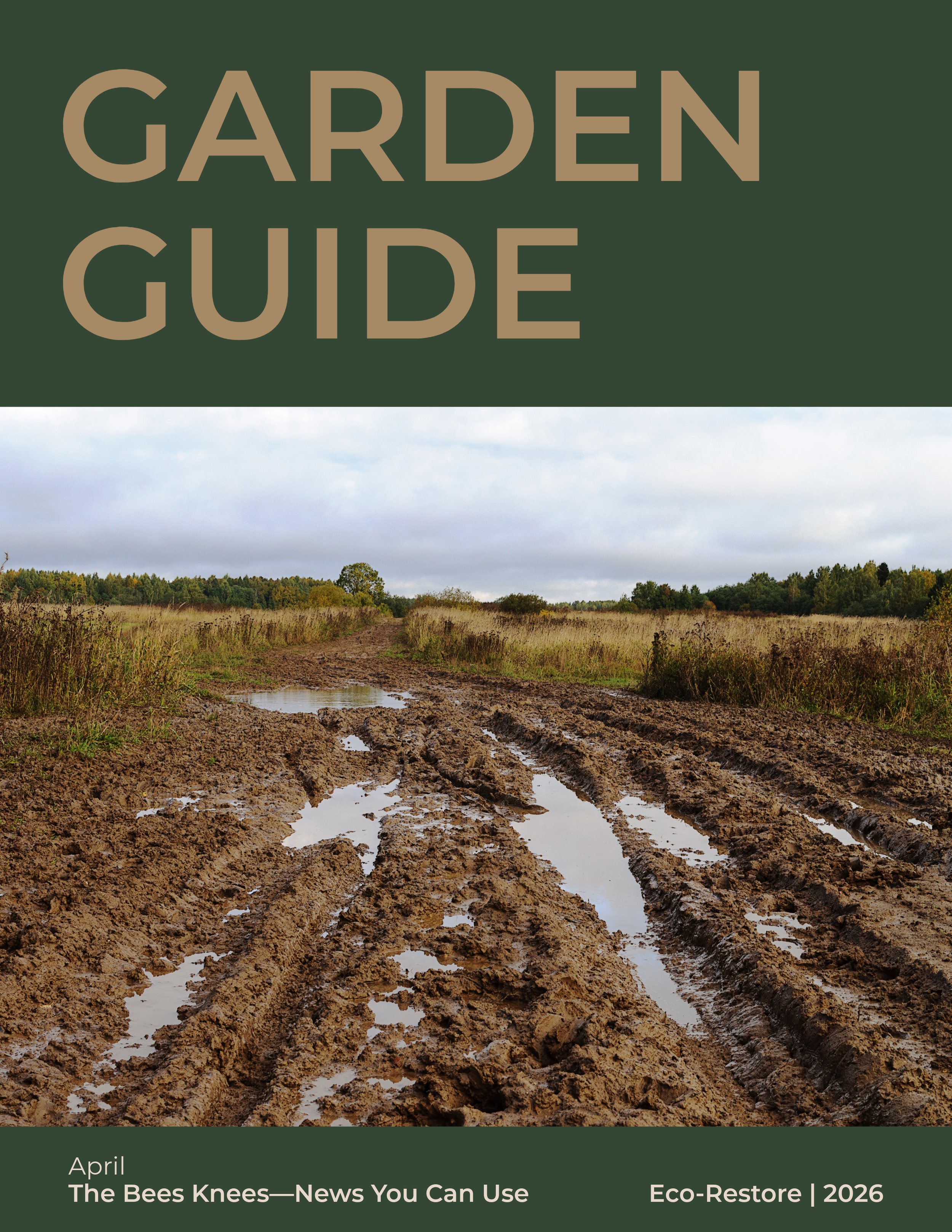
Near the banks of the Nooksack River, where the glacial runoff begins its long descent, the air carries a chill that belies the strength of the April sun. Here, the river valley functions as a massive lung, inhaling the cold mountain air and exhaling the scent of damp silt and cottonwood resin. The hum is audible in the rushing water and the soft thud of a falling branch, a reminder that the land is constantly recalibrating its own balance. When we step into our gardens this month, we are stepping into this same stream of information. Are the low spots still holding onto the winter’s weight, or has the soil finally begun to exhale its excess moisture?
Orchestrating the First Seeds
As the soil temperature finally crests the 40-degree mark, the landscape signals that it is ready to host the year’s first true successions. This is the moment for the cold-hardy pioneers. Sow lettuce, spinach, radishes, and turnips directly into the earth as soon as the soil can be worked without clumping into heavy, anaerobic balls. These seeds require only a light dusting of soil—about 1/4 to 1/2 inch deep—to begin their journey. When you press the seed into the dark crumble, you are plugging into the hum of the season’s momentum.
Peas and Broad Beans: These should be planted 1 to 2 inches deep. If your soil is still quite wet, consider planting them in slightly raised mounds or "hügel" mounds to ensure the seeds don't rot before they can find their rhythm.
Root Crops: Carrots, beets, and parsnips can be sown now. Because carrot seeds are so tiny, mixing them with a little dry sand can help achieve an even distribution, preventing the need for heavy thinning later.
The Brassica Brigade: If you have starts of broccoli, cabbage, or cauliflower, now is the time to transition them to their permanent outdoor homes. Space them 18 to 24 inches apart to allow for the massive leaf spread they will achieve by early summer.
As you tuck these tiny lives into the ground, do you feel the subtle resistance of the earth, or does it give way with a welcoming looseness? We often find that our gardens provide the most honest feedback when we are at our most observant. If a bed remains stubbornly cold and mucky, it is a request for patience, a self-regulation of the system that prevents us from wasting energy on a crop that isn't ready to thrive. This dance of timing is what we explore deeply in our consultations and garden planning sessions, where we help you read the unique energetic signature of your own soil.
The Vibrating Harvest
While we focus on the new, the landscape is busy finalizing the old. The hum of growth is matched by the hum of decomposition and final maturation. In the wide, fertile expanses of Bow, where the wind sweeps across the flats and carries the salt of the Sound, the overwintered crops are reaching their peak of sweetness. The cold of February and March has converted the starches in the roots into sugars, a biological defense mechanism that now serves as a culinary gift.
Harvest the last of the overwintered leeks, kale, and purple sprouting broccoli before they begin to bolt. Once the central stalk of the broccoli starts to elongate and the yellow flowers threaten to break, the energy of the plant is shifting toward reproduction, and the flavor will quickly turn bitter. Similarly, pull any remaining overwintered carrots and parsnips. These roots have held the history of the winter within them, and clearing them now makes room for the new data of the spring sowings.
How often do we rush to plant the new without properly honoring the completion of the old? By harvesting these final winter treasures, we are accepting the feedback of the seasons, acknowledging that the cycle of storage is ending and the cycle of production is beginning. If your landscape feels out of sync or you find yourself constantly battling the natural timing of your site, our ecological garden design services can help align your garden's rhythm with the broader PNW environment.
The Pulse of the Perennial
April is also the month for the heavy hitters—the crops that will anchor the garden through the heat of summer. Potatoes should be tucked into the soil now, buried 4 to 6 inches deep. Whether you use the traditional trench method or grow them in towers, ensure they have plenty of organic matter to hum along with. Leeks and onions, if started indoors or purchased as sets, should be moved into the garden now, spaced 4 to 6 inches apart in rows that allow for easy weeding.
The hum of the garden is not just about what we put in, but how we respond to what comes out. If your peas are yellowing at the base, the soil might be telling you it’s too wet; if your radishes are bolting instantly, it might be a feedback loop indicating a sudden spike in soil temperature. We previously discussed the importance of these early observations in our February guide to the waking landscape and touched on the energetic storage of the winter in our February lunar reflection. Carrying those lessons forward into April allows us to act with more precision and less effort.
As the sun sets over the foothills and the hum of the day settles into a quiet, nocturnal vibration, we are left with the satisfaction of a garden that is beginning to find its voice. The landscape is a living conversation, a series of inputs and outputs that, when respected, lead to a self-sustaining abundance. Are you listening closely enough to hear what your soil is asking for tonight?
The vibration of a single bee seeking the first maple bloom is the only invitation needed to begin the work.