Where the Wild Still Lives
Inviting Wildlife to the Harvest
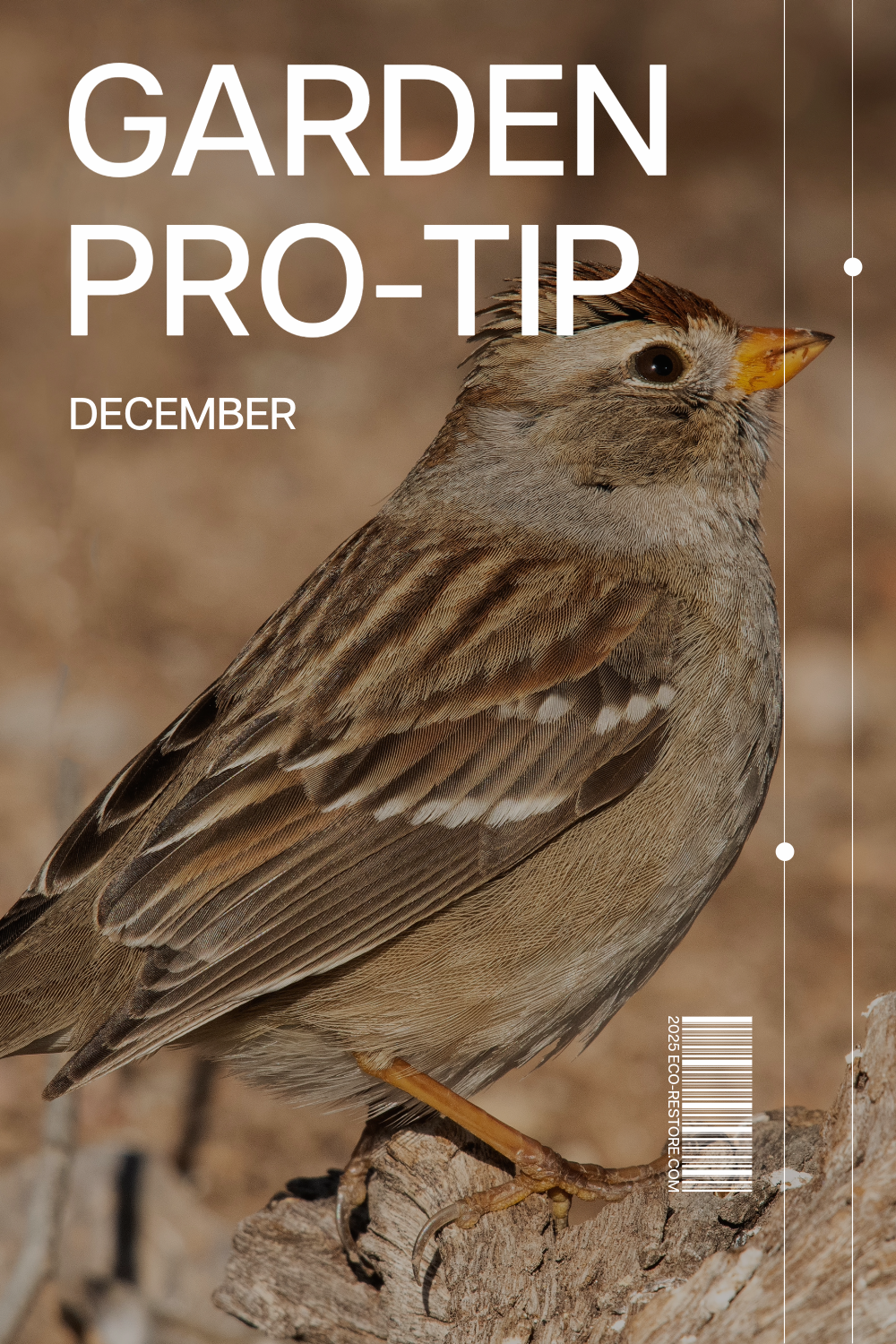
Along the winter shore of Padilla Bay, the air hums with quiet life. Dunlins wheel over the water, their pale bellies flashing in silver light, while a lone song sparrow rustles through dried grasses. It’s easy to think of December as a time when the garden sleeps—but beneath the stillness, the work of the living continues. Now is the moment to tend to the small shelters and food sources that sustain our wild neighbors.
As you gather your final harvest of collards or kale from the cloche, notice what else has taken refuge in your garden—the chickadee in the salal hedge, the dew-spangled spider web strung between fennel stalks, the dark glisten of soil turned rich from autumn’s leaf fall. Each small gesture of care—a brush pile left for wrens, a water dish for bees—extends the life of the garden beyond its borders.
Water: A Simple Offering
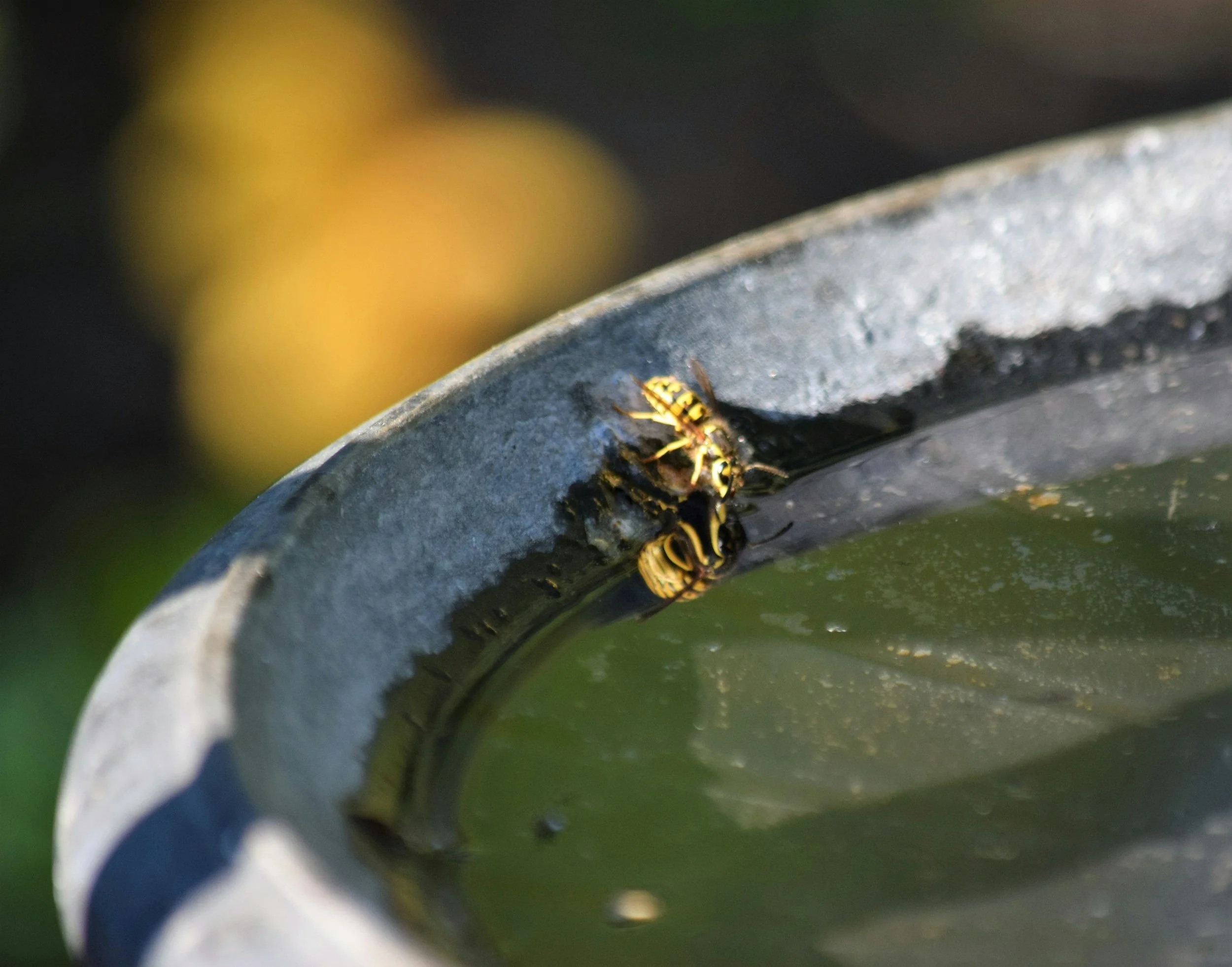
In a corner of your garden, a shallow bowl filled with stones and rainwater becomes an oasis. Bug bowls—rocks arranged in low dishes—offer safe footing for bees and butterflies to drink. You don’t need a pond or fountain; what matters is consistency. The freeze-thaw rhythm of winter means checking water sources often, especially after frost.
At Pomona Grange Park in Alger, you can see how simple water features draw in life even in the cold months—towhees scratching beneath redtwig dogwoods, robins dipping into puddles left by last night’s rain. These small sanctuaries remind us: care doesn’t have to be complicated to be meaningful.
Shelter: A Place to Hide and Rest
Every living thing needs a place to rest unseen. A fallen branch, a log left to soften, or a brush pile tucked beneath the trees—all create vital habitat. Bunching grasses and untrimmed perennials provide winter cover and nesting material for birds. Even the humble beetle house—a stack of stones or sticks in a quiet corner—gives home to ground beetles, pill bugs, and spiders that will later serve as food for birds.
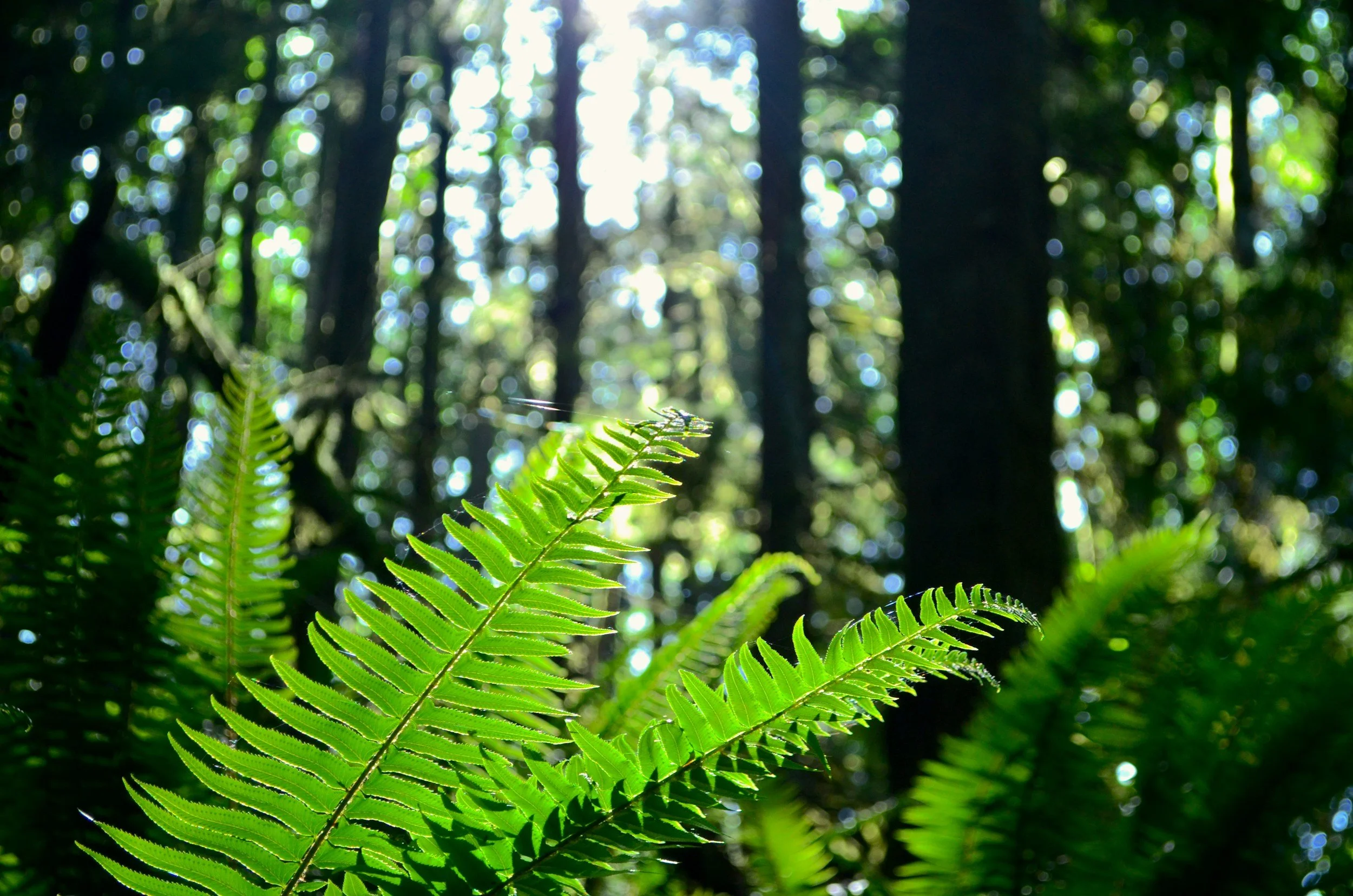
If you walk the forest edge near Deception Pass this time of year, you’ll see nature’s own design at work: sword ferns arching under cedar boughs, moss gathering in green layers, and countless small worlds hidden within. This is what we try to echo in our gardens—a living mosaic of texture and form.
Diverse Habitat: A Living Tapestry
A garden rich in life grows from diversity, not perfection. Let the lines blur a little between your cultivated spaces and the wilder ones. Plant native shrubs like red-flowering currant, ocean spray, and evergreen huckleberry alongside your herbs and greens. These plants feed birds and insects while anchoring your soil and softening the transition between zones.
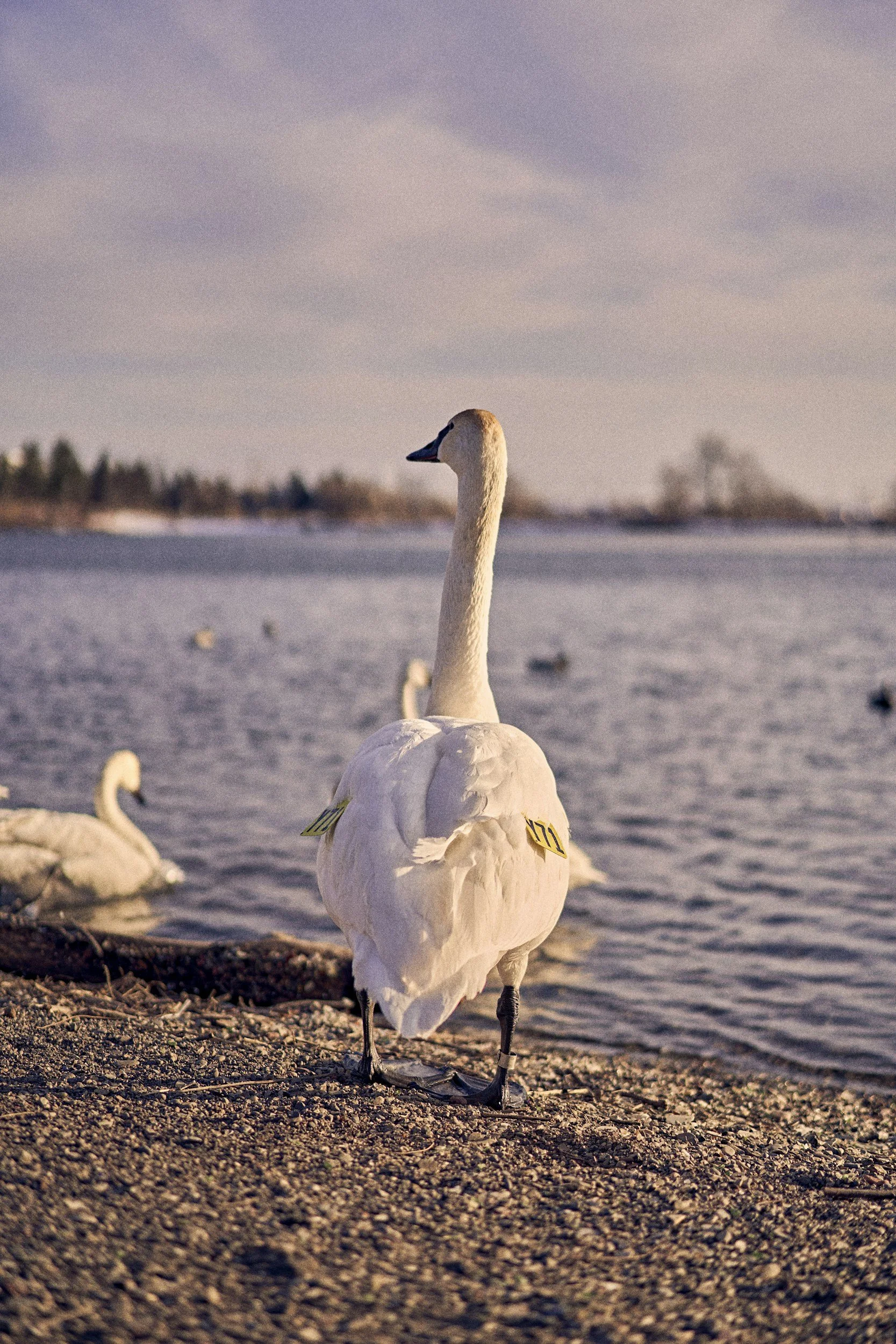
At the Skagit Wildlife Area, flocks of trumpeter swans feed among the winter fields—a reminder that abundance exists even now, if we make space for it. Could your garden hold that same invitation? What corners might you leave untrimmed, what plants might you let seed, what layers of growth might you allow to unfold?
This Month’s Tasks
Even as you reflect, there’s work to do that aligns with the season’s slower rhythm:
Harvest hardy greens from cold frames or cloches.
Order seed catalogs and dream up next year’s biodiversity.
Prune kiwi and grape vines to shape strong growth.
Secure cloches and structures against winter winds and snow.
Each task can become a meditation—small, deliberate acts that echo the wild care you’re inviting into your garden.
A Closing Reflection
When we design gardens that welcome birds, insects, and other small creatures, we also create spaces that invite us to pause—to notice. The garden becomes a conversation between what we plant and what arrives.
Eco-Restore can help you plan or adjust your garden design to increase habitat value, selecting native plants that thrive in our region and structuring your beds for both beauty and biodiversity. Together, we can create spaces that are as alive in December as they are in June—places where the rhythm of the natural world hums quietly through every season.
This winter, may your garden be a refuge—for you, and for the wild.