Brown Is a Color Too

Resting in Wild Grace
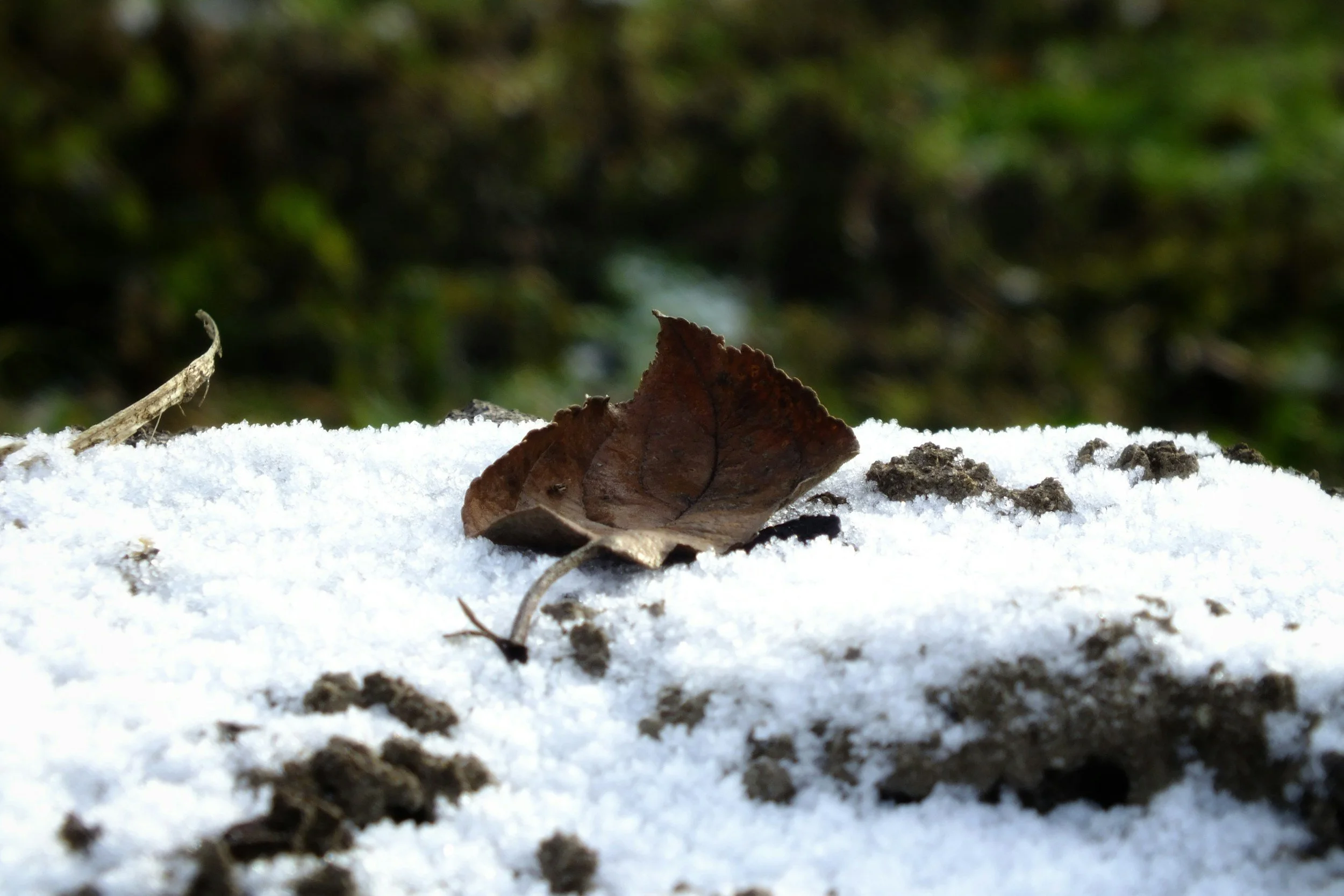
By the time December arrives, most gardens in the Pacific Northwest have settled into stillness. The rush of autumn color has passed, replaced by muted browns, silvers, and greens. At first glance, it can look like a mess—fallen leaves turning to mush, seedheads bowing under frost, and old stems rattling in the wind. But pause for a moment. What if this quiet decay isn’t a sign of neglect, but a necessary part of life’s rhythm?
The Beauty of Letting Go
Drive along the Skagit Flats on a fog-laden morning and you’ll see the story written across the fields—stubbled remains of harvested crops, rows of kale still soldiering on, and a hush that feels almost sacred. Near Padilla Bay, the saltwater mist wraps around cattails and marsh grass, each seed plume catching light like spun glass. And up at Lord Hill Regional Park in Snohomish County, the moss-covered branches glisten with the slow melt of frost—each drop returning quietly to the earth.
In this season of endings, the garden teaches us to let go with grace. The seedheads and stalks you might be tempted to tidy away are, in truth, winter’s offering. Birds will come to forage. Beneficial insects will shelter in the hollow stems. The soil will rest under a quilt of leaves that, come spring, transforms into nourishment.
Ask yourself: What in your garden—and your life—might benefit from being left a little wild this winter?
Clean, but Not Too Clean
It’s true that some cleanup is wise. Tropical annuals like tomatoes, peppers, cucumbers, and squash harbor fungal diseases that shouldn’t overwinter. Remove diseased plant material and send it to the curbside yard-waste bin, not your compost pile. Likewise, watch for signs of basal rot in garlic, clubroot in brassicas, or Botrytis stem rot on perennials—these, too, should go.
But beyond that? Be gentle. Perennial plants need their seed-setting process to harden off and go properly dormant. Cutting them down too soon can interrupt their natural rhythm. Instead, leave them as sculptures in the frost. On a bright December morning, with hoarfrost tracing the edges of fennel and globe thistle, you’ll see how beautiful “brown” can be.

The Season of Light
Across cultures and centuries, midwinter festivals celebrate the returning light. Evergreens remind us that life continues, even when the world seems asleep. Boughs of fir and cedar, bright berries, and the last golden apples—all these speak of endurance and renewal.
This month, bring that spirit indoors. Arrange cuttings of holly or rosemary in a small vase near a sunny window. Burn beeswax candles at dusk to echo the warmth of the sun. And take comfort in knowing the soil beneath you still hums with quiet life—fungi weaving, roots deepening, and seeds dreaming in the dark.
What to Sow Indoors in December
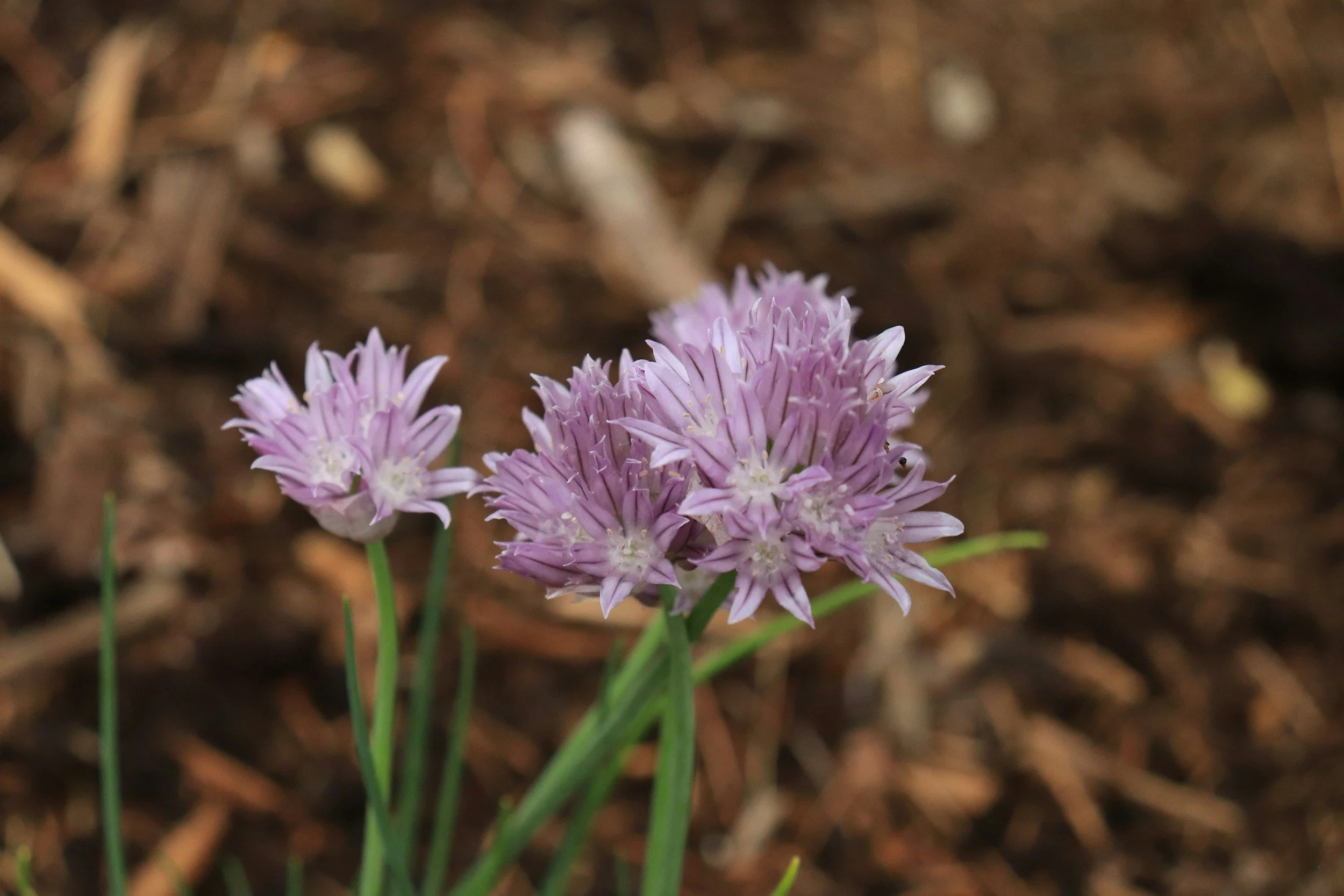
If you can’t resist the call to plant, there’s still work to do. December is a time to dream, plan, and start slow-growing seeds indoors under light and warmth.
Vegetables & Herbs – Onion Family (Amaryllidaceae):
Chives • Leeks • Bulbing Onions • Scallions
Fruits – Rose Family (Rosaceae):
Alpine Strawberry
Flowers to Sow Indoors:
Geranium (Pelargonium spp.) • Snapdragon (Antirrhinum spp.) • Yarrow (Achillea spp.) • Pansy (Viola spp.)
Starting these early gives them the head start they’ll need for transplanting under a cloche in late March or April.
Edible Flowers for a Living Landscape
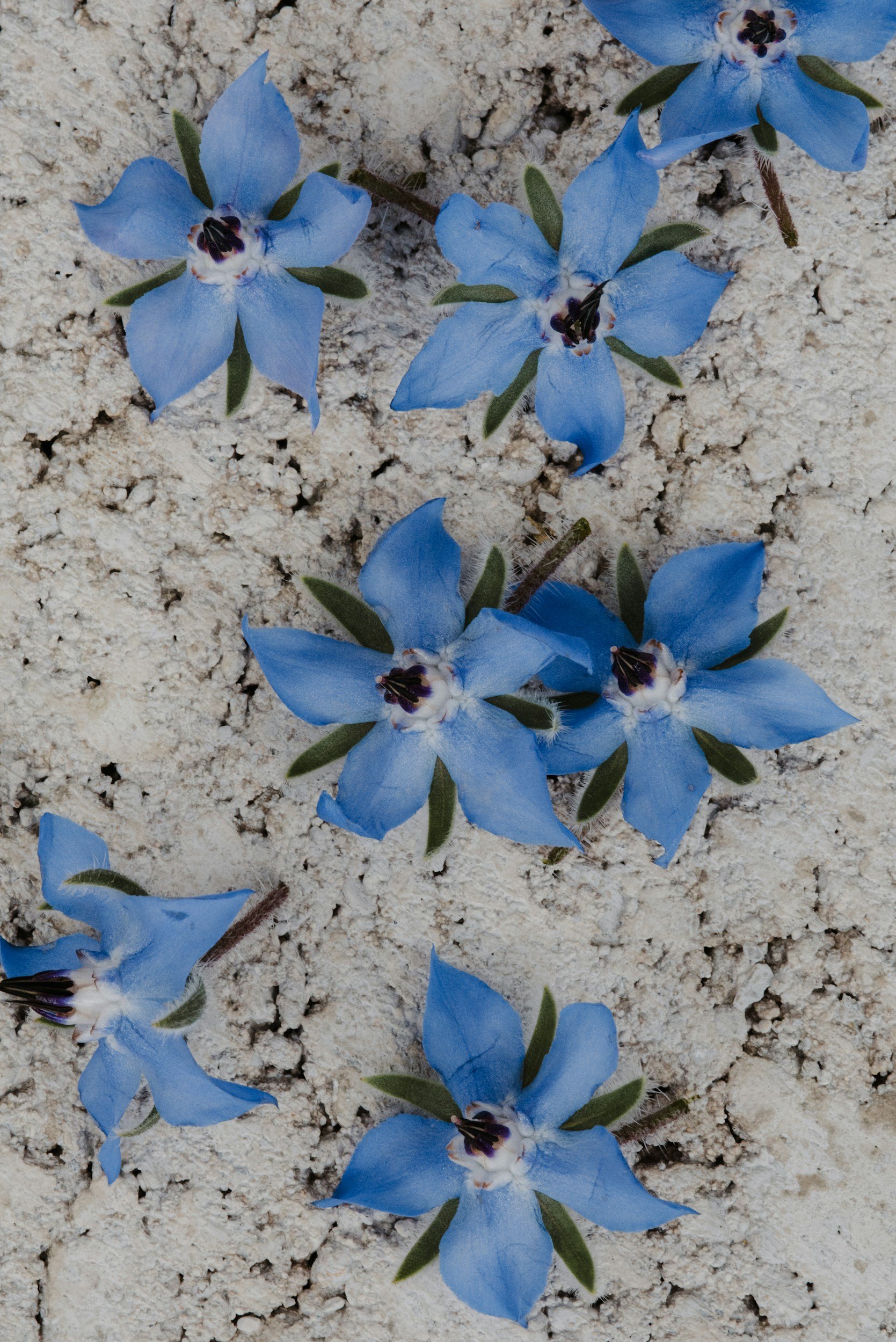
Winter is the perfect time to plan where you’ll weave edible flowers into your beds come spring. These plants blur the boundary between beauty and utility, nourishing both pollinators and people. Think calendula, nasturtium, borage, and lavender—plants that self-sow easily and bring delight to every corner of the garden.
Ask yourself: What parts of your garden might become both sanctuary and sustenance next year?
How Eco-Restore Can Help
At Eco-Restore, we honor this season of stillness as much as the growth that follows. Our Garden Resilience and Soil Health consultations help you understand what your landscape needs to rest well this winter and thrive in the spring. We can help you identify what to prune, what to preserve, and how to build healthy soil through the quiet months.
Whether you’re dreaming up a new pollinator garden, a kitchen plot, or a small ecosystem restoration project, this is the time to plan. Winter is not an ending—it’s an invitation to imagine what comes next.
This December, may your garden rest in its wild grace—rooted in patience, wrapped in possibility, and quietly preparing for the light’s return.