Carving Thermal Pockets
Cold Sinks, Warm Stones
Your gumboots hit wet November sod with a dull squelch, stirring cold, earthy decay scents into chilled morning air. You pull your wool collar tight against that familiar coastal drizzle, squinting across your yard. Overhead, pewter clouds hang low, while faint autumn sun skims just above the evergreen ridge. It looks uniform across your property, yet your plot is quietly partitioned into thermal alcoves and freezing gullies.
Every yard possesses distinct microclimates shaped by physical geometry, grade changes, and thermal mass. In permaculture spatial design, microclimate harvesting deliberately arranges contours, wind deflections, and solid surfaces to capture and hold ambient warmth. Cold air on clear November nights behaves like chilly mountain runoff, sliding down slopes and pooling in stagnant basins wherever an obstacle blocks its journey. If you plant tender greens beneath an unvented retaining wall, you have inadvertently built a vegetable freezer. Have you ever noticed how frost coats the grass beside your south-facing gravel walkway while open sod remains bare?
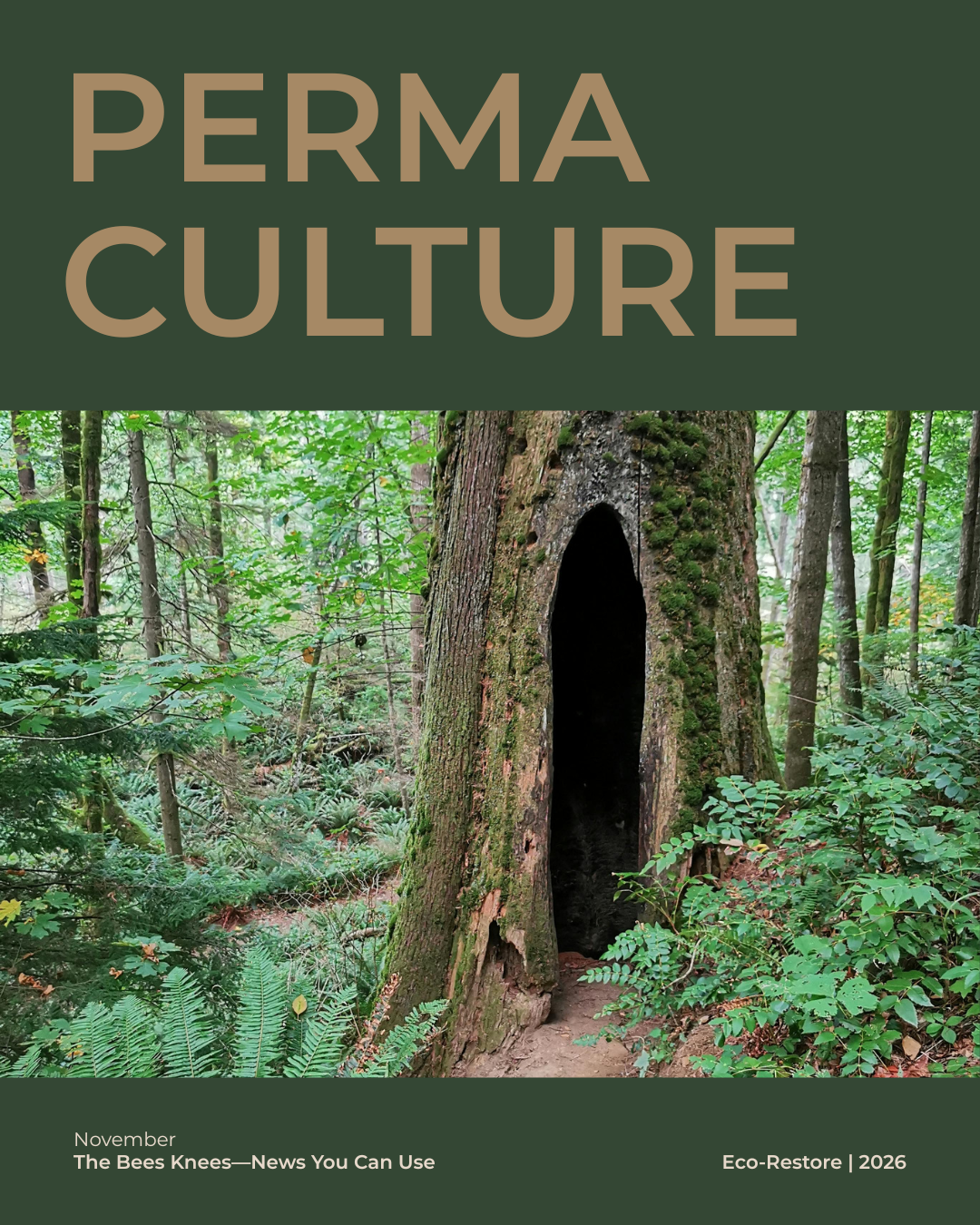
Walking down through Japanese Gulch on an overcast afternoon reveals this physical dynamic across dramatic coastal terrain. Up near the windswept ridge, raw Puget Sound gusts strip moisture from alder branches, yet twenty paces down inside the ravine, the air turns still, humid, and mild. Towering western red cedars intercept falling rain, while dark, mossy ravine walls hold lingering earth heat, creating a protected microclimate where sword ferns stay vibrant through hard freezes. Nature does not fight raw seasonal topography; she sculpts sheltered pockets within it.
Reading Cold Air Drainage
Understanding your property begins with charting how cold air flows across your ground plane. Frigid air is heavy, dense, and persistently clumsy. As dusk arrives, cold air rolls silently downhill, seeking lowest elevations. When it hits a solid cedar privacy fence running perpendicular to a slope, it dams up, deepening several inches per hour until it spills over or freezes every living root caught in its basin.
Through our on-site ecological design consultations, we help clients map these invisible thermal currents before installing winter plantings. You do not need electronic sensors to locate them. On a clear November morning, simply look where white hoarfrost forms thickest crystals. That frost pattern maps your cold drainage routes and pooling depressions. Recognizing these lines allows you to punch strategic exit gates beneath solid fence lines so cold air drains downhill, preserving warmth for your beds. As we explored when designing windward buffers in Shelter Belts, diverting destructive currents is far simpler than surviving their direct brunt.
You can observe identical mechanics around Lake Cavanaugh as mountain frost settles into the Skagit foothills. Out over open water, midnight vapor condenses into silver mist, while south-facing gravel cutbanks absorb scarce afternoon daylight. Those dark stones release faint ambient heat through freezing darkness, insulating hardy evergreen huckleberries rooted into rocky fissures. Your backyard operates under identical physical mechanics. A concrete patio, a dry-stacked basalt border, or even a dark rain barrel acts as a thermal battery, storing daytime calories and radiating warmth through long nights.
Constructing Heat Sinks
To harvest warmth effectively, you must arrange structural barriers and thermal storage in deliberate spatial harmony. Christopher Alexander described how alcoves and sunny pockets create comfortable outdoor human rooms; plants require identical architectural protection. By shaping an inward-curving horseshoe bed facing south or southeast, you establish a radiant sun scoop that gathers weak low-angle autumn light while blocking biting north winds.
Deep inside that contour, you create a sheltered earth hollow where tender cold-season salads thrive without supplemental heating. Placing dark river boulders along northern margins provides passive thermal stabilization, soaking up infrared energy during overcast daylight and slowly releasing warmth into damp root zones overnight. Dense evergreen plantings upwind lift turbulent winds over your growing zone, preventing chilly drafts from stripping accumulated heat away from fragile plant crowns.
Even windowsill gardeners can employ this principle with great success. Placing dark ceramic tiles beneath seedling trays near drafty panes absorbs midday light, moderating evening temperature drops. If you want individual guidance designing these protective thermal layouts across your own acreage, our hands-on garden coaching walks you through your specific topography to locate ideal growing niches.
Immediate Thermal Actions
You can begin tailoring your home microclimates today with these practical adjustments:
Open cold drainage gates. Inspect lower boundary fences where sloped ground meets solid boards. Create two-inch gaps beneath bottom rails so heavy nocturnal cold air drains freely off your property instead of pooling around winter brassicas.
Install thermal mass backstops. Position dark basalt fieldstones or dark five-gallon water jugs along northern edges of raised beds. These dense bodies absorb low-slant sunlight during short November afternoons and radiate stored heat back into root zones through frosty nights.
Bank perimeter soil buffers. Rake autumn alder and maple leaves into foot-deep berms against northern walls of raised beds. This loose organic mantle insulates wooden bed edges against penetrating ground freezes while keeping moisture levels consistent.
Construct south-facing sun scoops. Arrange straw bales or curved brush hurdles in a gentle crescent facing southeast. This curved geometry catches scarce morning sun, deflects cold prevailing gales, and elevates ambient bed temperatures by several degrees.
Quiet Ground Truths
Measuring temperature variations between your front porch and your compost pile might feel mildly eccentric, but your overwintering crops register every single degree. Cultivating maritime dirt does not demand that you wage futile war against dark, dripping seasons. It invites you to observe where warmth lingers, where cold gathers, and how slight shifts in geometry turn damp ground into an abundant haven.
Tonight, take a warm cider mug and walk your property boundary just after dusk. Where does the air feel brisk against your cheeks, and where does your skin register subtle shelter? Trace those invisible thermal contours with your boots. When you step back inside, what quiet corner of your ground will you reshape to welcome tomorrow's low light?