The Abundance Loop
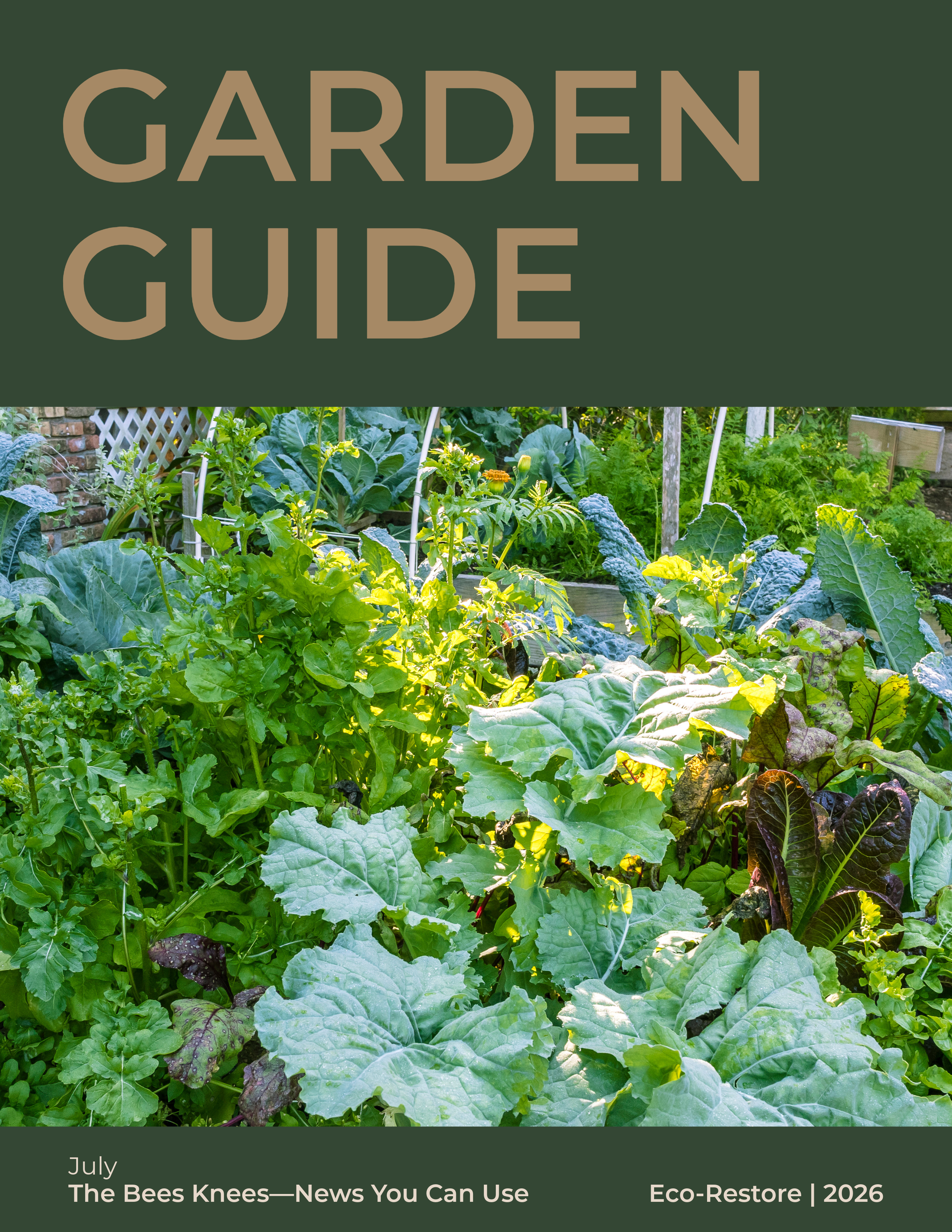
Midsummer Harvesting and Heat-Resistant Sowing
The arrival of midsummer in Western Washington brings a distinct psychological shift, wherein we collectively transition from lamenting the endless gray to hiding from the unaccustomed glare of a completely cloudless sky. It is a season where the gardening workload doesn't actually decrease; it simply changes its state of matter from mud to dust. In this period of intense solar design, our responsibility shifts toward balancing the massive outflows of our harvests with immediate, intentional inflows of new seed. To maintain systemic equilibrium, we must treat every square foot of cleared earth as a premium canvas for autumn and winter production.
Clearing the Slate for the Second Act
Walking through the Silvana farmlands during this stretch of July reveals a landscape working at maximum velocity, where the sweet, dry scent of curing hay mixes with the dust kicked up by tractors working the rich bottomlands. The fields understand a fundamental truth: when one yield finishes, the ground must be protected immediately. In our domestic spaces, this realization begins with the extraction of our overwintered and spring-planted crops. The grand transition of July is anchored by the lifting of our garlic bulbs and early alliums. When the lower leaves turn brown and paper-thin, it is time to gently ease them from the earth, ensuring they are moved to a shaded, well-ventilated space to cure for long-term storage.
As these heavy feeders vacate their positions, they leave behind an opening that represents both a vulnerability and an asset. Instead of leaving this soil exposed to the scorching sun, we must instantly re-engage the stomach of the soil by inserting the next generation of crops. This rapid succession ensures that living roots continue to exude carbon compounds, keeping the subterranean biological community active and fed. If you find yourself overwhelmed by the sheer mechanics of organizing these rapid crop transitions, our comprehensive approach to ecological garden design can provide a structured framework to map out your seasonal spatial rotations smoothly.
Sowing Into the Heat
To secure a reliable supply of fresh food during the lean months of late autumn and early winter, we must plant our storage crops while the days are still long and warm. This requires a paradoxical mindset: we are sowing cold-loving crops into the warmest soil of the year. Unlike the tentative planting strategies we deployed during our damp spring setups—which we detailed thoroughly in our previous guide—the midsummer strategy requires deep seed placement and aggressive moisture conservation. Sowing slightly deeper than usual allows seeds to access the cooler, more stable moisture reserves lurking beneath the parched surface crust.
When establishing these successions, focus on creating dense, living canopies that will naturally shield the earth. The following crops should be direct-sown into well-hydrated furrows throughout the month of July:
Direct-sow taproots for winter storage including carrots, beets, rutabagas, parsnips, and turnips, ensuring the soil remains consistently damp until germination occurs.
Establish robust winter greens by planting kale, Swiss chard, collard greens, and winter spinach directly into partial afternoon shade to prevent heat stress.
Execute continuous salad rotations with successive plantings of head lettuce, arugula, radishes, and mustard greens every ten days.
Introduce fall-harvested annual herbs such as cilantro, dill, and scallions to fill small functional gaps between larger perennial components.
The Art of the Midsummer Harvest
Step into the Sedro-Woolley town gardens on a warm July evening, and the air is heavy with the aroma of sun-baked brick paths, overripe raspberries hummed over by weary yellowjackets, and the sweet perfume of flowering squash blossoms. This is the moment where our physical efforts yield tangible, delicious compound interest. The key to maintaining a highly productive summer garden is continuous picking; many annual crops will entirely cease production if their fruit is allowed to mature fully and produce viable seed on the vine. By harvesting regularly, we signal to the plant that its reproductive mission is incomplete, stimulating a continuous flush of new blossoms and fruit.
To optimize the quality of your yields and extend the shelf life of your produce, organize your harvesting schedules around these primary groups:
Gather summer squash and cucumbers daily while they are young, tender, and before their skins become tough and woody.
Pick bush beans and pole beans frequently to encourage the vines to keep throwing out new flowers for late-summer processing.
Lift early varieties of potatoes as soon as the vines begin to blossom, taking just what you need for immediate meals while leaving the storage types to mature.
Clip clean, crisp heading brassicas like early cabbage, broccoli, and cauliflower before the high midday heat causes the heads to loosen or bolt to seed.
Reclaiming the Leftovers
Every act of harvesting leaves behind a significant volume of biological byproducts—outer leaves, bolted stems, and pulled roots. Throwing these items into a distant pile creates an unnecessary logistical leak. Instead, let earth's deep gastric processing happen right where the harvest occurred. By tucking these spent materials directly back onto the surface of the beds as a localized green mulch, we preserve soil moisture and return vital nutrients to the earth simultaneously.
Protecting the Subterranean Investment
As the high summer sun continues its daily extraction of moisture from our landscapes, our primary defensive measure must be the absolute elimination of bare dirt. The hungry, metabolic belly of the garden beds requires a thick layer of organic insulation to survive the seasonal drawdown. Without this protective layer, the delicate microbiology inhabiting the upper three inches of your topsoil will effectively cook, destroying months of careful biological cultivation.
Moisture retention is not merely about pouring water onto a problem; it is about keeping the water you already have from escaping back into the atmosphere. For residents looking to implement these advanced water-conservation strategies or transition toward a completely self-sustaining layout, our team offers tailored on-site assessments and garden planning services to guide your hand. By treating every harvest as an immediate invitation to replant and cover, we transform our summer labor into an unbroken loop of continuous ecological wealth.