Multitudes in the Mulch
Cultivating Your Unpaid Labor Force
The high summer sun of June brings a frantic rush of operational logistics to the backyard ecosystem, shifting our focus from tentative spring expectations to rigorous system maintenance. To ensure your landscape runs smoothly as temperatures climb, prioritize your daily tactical workflow: continue to sow successions of beans, carrots, and beets to fill vacant production windows; harvest and re-bed your active worm bins before the core processing bedding compacts; sow buckwheat or phacelia as a soil-enriching cover crop in any open bed spaces slated for upcoming fall and winter vegetable rotations; transplant tomato, pepper, eggplant, tomatillo, ground cherry, and squash family starts during the first week of the month to maximize seasonal heat units; erect robust trellis infrastructure for vining crops; and water consistently to prevent root-zone shock. (The neighborhood crows, naturally, will watch your precise planting layout with the cold calculation of site auditors.) How often do we treat these operational tasks as separate, disconnected burdens instead of looking for the underlying biological relationships that can manage the workload for us?
The Six-Legged Security Detail
When pest populations inevitably arrive to feast on your young summer crops, the conventional impulse is to reach for external, chemical interventions that disrupt the wider food web. True ecological stewardship requires that you stand down and allow naturally occurring predator insects to manage the security detail for you. At Kayak Point Park, where the salt-spray breezes filter through the wind-twisted shore pines along the gravel beach, you can see how wild systems maintain an unbothered equilibrium without human supervision. In your garden, this self-regulation manifests when you deliberately integrate micro-habitats to attract beneficial allies. By leaving permanent zones of undisturbed leaf litter, woodpiles, and damp rock clusters, you establish critical basecamps for the fast-moving ground beetle. These voracious nocturnal hunters crawl along the soil surface, systematically devouring cutworms, root maggots, and the omnipresent eggs of hungry slugs.
To protect your crops effectively, learn to identify your multi-legged allies using a hand lens. The rove beetle, with its distinctive elongated black abdomen that it elevates like a mock scorpion tail when confronted, patrols your pathways and consumes soil pests with mechanical efficiency. (They are the ultimate deadpan operators, looking entirely terrifying while doing your finest clean-up work.) Have you checked the undersides of your brassica leaves this week to welcome the tiny, black-and-orange alligator-shaped larvae of the ladybug? These juvenile predators consume massive quantities of aphids, operating as amber threads sewing the garden together through silent biological control. Similarly, adult syrphid flies hover like miniature iridescent bees over flowering borders to gather nectar, while their blind, bright green slug-like larvae crawl through the foliage devouring soft-bodied pests. Sowing diverse flowering insectary strips ensures these adults remain on site to deposit their pale eggs directly inside pest colonies. These interactions form the warm twine of ecological alliance that transforms a high-maintenance vegetable plot into a self-defending system.
The Subterranean Livestock
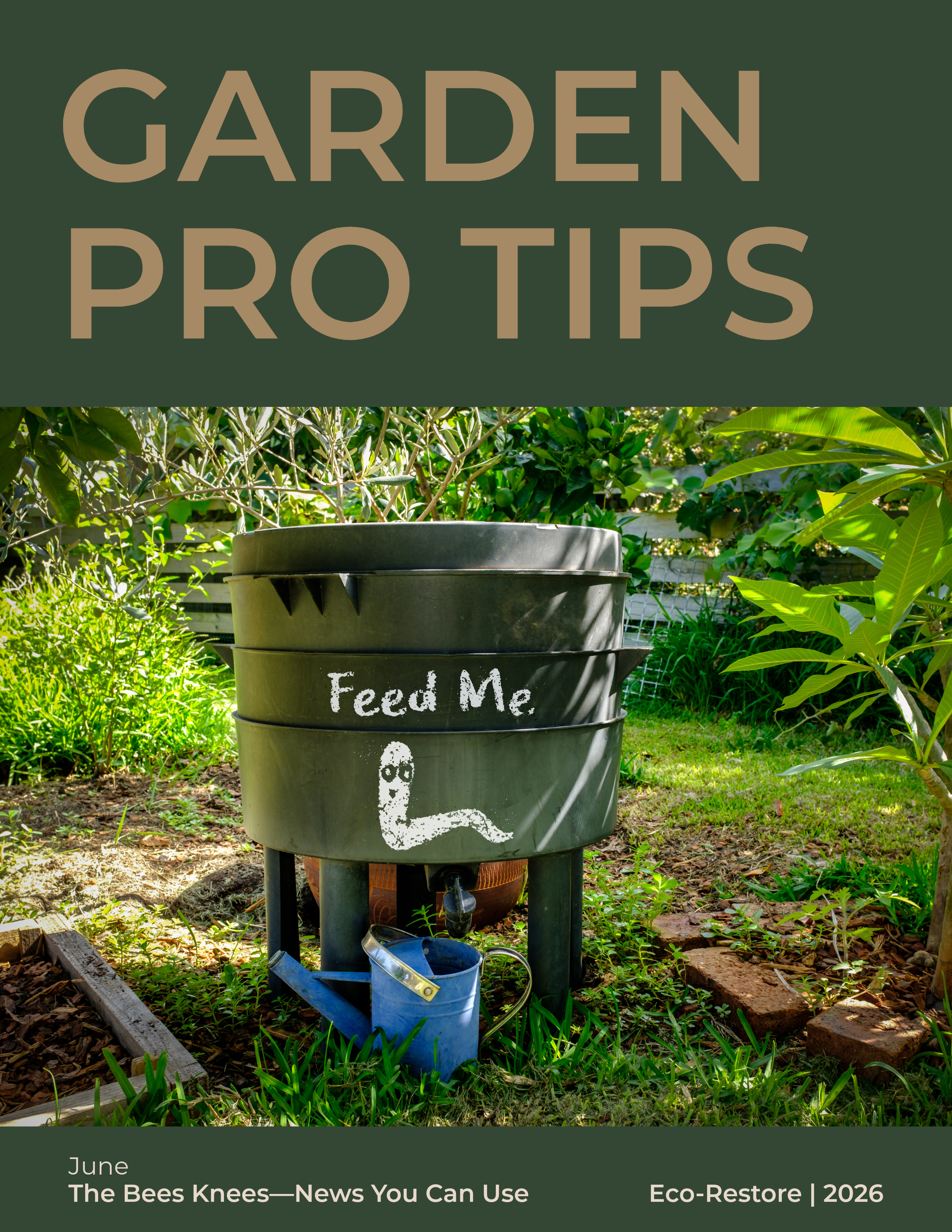
True integration requires that your internal waste streams feed your fertility loops automatically, a design goal achieved beautifully by deploying red worms as expert household composters. Managing a vermicomposting setup is less about waste management and more about running a highly concentrated biological processing plant. To keep your red wigglers performing at peak output, your operational management must be precise. Fill a shallow, well-ventilated bin with moist bedding composed of shredded deciduous leaves or torn cardboard, ensuring the texture remains as damp as a wrung-out sponge. When introducing your worms, recognize that they are strict surface feeders, restricted primarily to the top 6 to 8 inches of their bedding matrix.
To prevent systemic failure—which usually announces itself with a pungent, swampy odor that will alienate your household—you must follow the strict rule of one. Feed your livestock exactly one pound of fruit and vegetable scraps per square foot of active surface area every week. (Your worms demand a strictly sober, vegetarian lifestyle, so withhold any dairy, oils, or meat residues unless you wish to cultivate an elite force of fruit flies.) Walking through Maritime Heritage Park, where the urban creek restoration banks tilt down to meet the concrete geometries of the city center, reminds us that highly confined spaces can handle immense environmental throughput when properly engineered. When dark soil aggregates accumulate at the base of the bin, execute your harvest by skimming off the top two-thirds of the processed bedding. Manually separate the dense clusters of active worms to return them to the bin, then spread the ultra-rich castings half an inch deep around your heavy-feeding summer crops. This premium vermicompost acts as the golden stitches binding the ecosystem, ensuring that your kitchen leftovers directly fuel your midsummer agricultural production.
Calibrating Your System Efficiency
As the bright filaments holding the landscape whole become more visible under the high summer sun, the role of the gardener shifts from an aggressive controller to a thoughtful systems manager. Balancing these delicate layers of insect habitat, soil moisture, and active vermicomposting requires an ongoing investment in your practical land-management skills. We support your development through custom on-site consulting, targeted skill-building workshops, and focused gardening coaching tailored directly to your land's specific microclimate. By learning to read the subtle indicators of your soil and insect populations, you can stop micromanaging individual symptoms and instead design the permanent, self-regulating relationships that allow your gardens to thrive autonomously throughout the season.