Cooperative Canopy
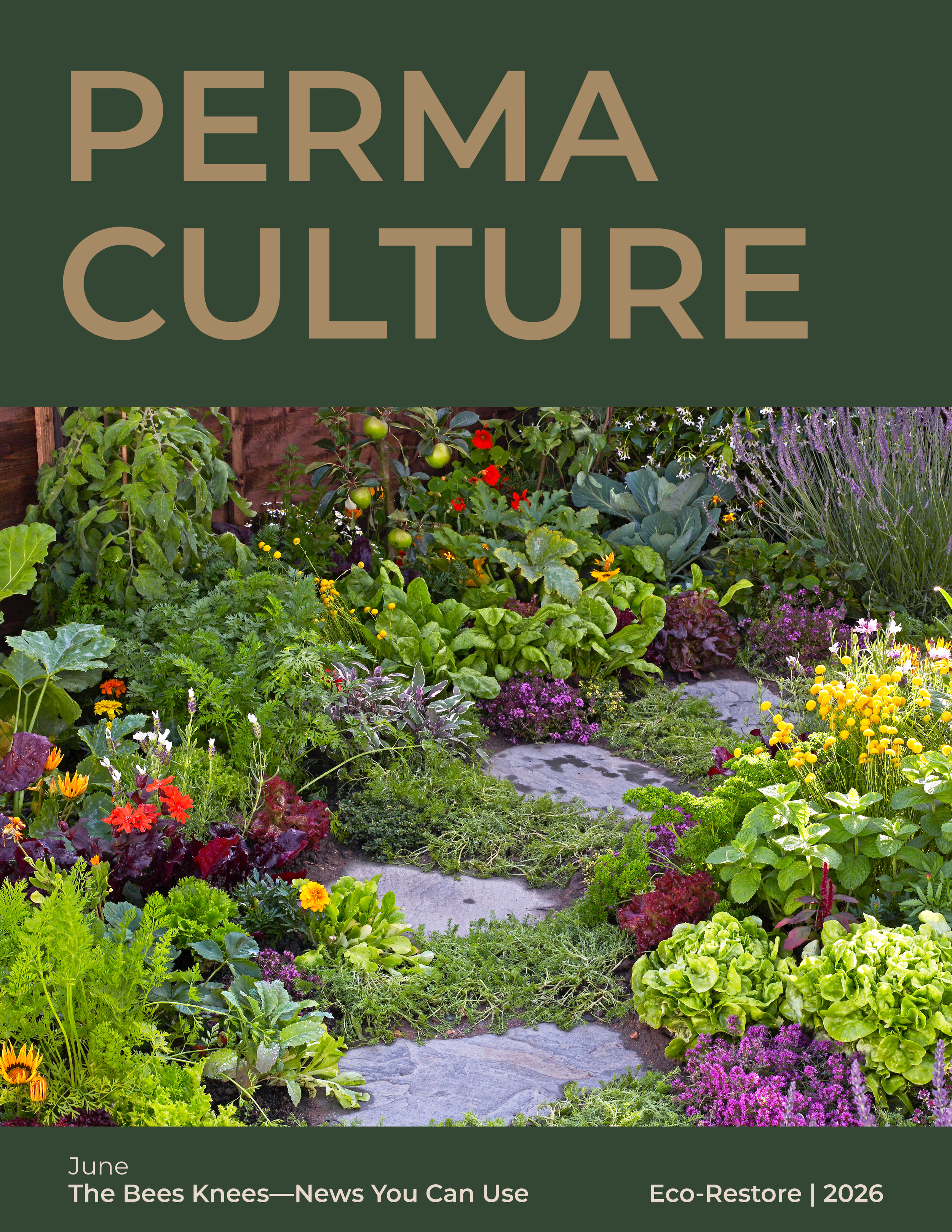
Dissecting the Myth of the Solitary Sprout
June in Western Washington arrives not with a whisper, but with a sudden, deafening roar of chlorophyll. The long daylight hours of the maritime solstice pull everything upward at a dizzying pace, a biological gold rush where every root, stem, and leaf scrambles for a square inch of sky. If you walk through the cool, moss-softened understory at Rasar State Park, where the bigleaf maples step down to meet the racing grey-green river water, you can feel the sheer kinetic energy of this seasonal surge. It is easy, in this moment of peak abundance, to view the garden as a collection of individual competitors—a high-stakes race where the fastest lettuce wins and the slouching weed is disqualified. Yet, this atomized worldview is an invention of industrial agriculture, a preference for neat rows and clean isolation that runs entirely counter to how nature actually manages a crowd. When we look up, we do not see isolated individuals; we witness canopies weaving together overhead, creating a collective shelter born of proximity. To design a truly resilient ecosystem, we must move past the desire to segregate our plants like squabbling siblings on a road trip and instead embrace the core permaculture mandate to integrate rather than segregate.
The Architecture of Interconnectedness
At its core, this principle demands that every element performs multiple functions and every crucial function is supported by multiple elements. It is the absolute antithesis of the monoculture mindset that dictates berries belong exclusively in the fruit cage and herbs must be quarantined to a plastic spiral near the kitchen porch. When we isolate a plant, we strip it of its community privileges, forcing ourselves to step in as a full-time utility provider—hauling fertilizers, spraying organic pesticides, and acting as a clumsy surrogate for the natural checks and balances that should have been there all along. Why spend your weekends acting as a micromanaging landlord to a patch of temperamental brassicas when a diverse community can handle the security and maintenance for you? How often have we created our own garden exhaustion by building walls where nature intended to build bridges? When elements are woven together, the output of one component becomes the input for the next, turning what would have been a waste stream or a maintenance chore into an automated nutrient loop. This is not soft-hearted ecological sentimentality; it is hard-nosed design efficiency. In the old-growth groves at Berthusen Park, where the massive, silent trunks of old-growth Douglas-firs standing guard over historic homestead timbers seem to breathe in unison, the structural strength of the forest does not come from a single heroic tree. It emerges from a complex subterranean economy where fungi broker nutrient trades and ancient roots anchor their neighbors against winter gales. It is here that we truly understand the strength of the green overhead embrace, a physical manifestation of a system that has long forgotten how to live apart.
Designing for the Summer Surge
In our unique Pacific Northwest climate, the June transition from cool spring dampness to the dry, high-UV stretch of midsummer puts immense stress on isolated plants. Soil that was a saturated sponge in April can quickly bake into a hydrophobic crust by July if left exposed to the unblinking sun. Integration is our primary tool for microclimate creation. By stacking plants into multi-tiered guilds, we mimic the spatial efficiency of our native forests, a lesson we explored when analyzing the productivity of the in-between spaces last month. High-reaching, sun-loving canopy crops provide dappled shade to tender understory greens that would otherwise bolt at the first hint of real heat, while deep-rooted dynamic accumulators draw moisture from lower soil strata to benefit shallow-rooted companions. (The slugs, of course, will attempt to integrate themselves into every tier of this architecture, demonstrating an admirable, if deeply irritating, commitment to systemic unity.) Have you observed how much less irrigation a bed requires when the soil is completely blanketed by a living mulch of low-growing, complementary species? By viewing our growing spaces as three-dimensional volumes rather than two-dimensional grids, we can fit more ecological activity into a single square foot. The interlocking fingers of the forest canopy remind us that true stability is a spatial puzzle, solved only when we allow different forms and habits to interlock and support one another against the elements.
Shifting from Chore to System
Implementing this principle requires a conscious shift in how we evaluate our daily tasks. If you find yourself hauling heavy buckets of liquid fertilizer across the yard, it is a diagnostic signal that your nutrient loops are broken. A well-integrated design seeks to place elements in relationships so that their natural behaviors automatically fulfill the needs of their neighbors. This is the philosophy that guides our comprehensive ecological garden design services, where we map relationships before we ever dig a hole. We look at how a rainwater catchment system can overflow directly into perennial food forest swales, or how an insectary border can be threaded directly through a vegetable patch to bring predatory wasps into immediate contact with aphids. This systemic approach is also central to our custom gardening coaching programs, where we help land stewards transition away from treating symptoms and toward designing self-regulating plant communities. True integration means stepping back and letting the relationships do the heavy lifting, allowing a leafy ceiling where branches clasp hands to be a sign of systemic health rather than a cue for human intervention.
Immediate Actions for the Integrated Steward
Deconstruct your monoculture beds by introducing low-growing, aromatic herbs like thyme beneath taller, heavy-feeding crops to serve as both a living weed barrier and a chemical pest disorienter.
Interlock your water and fertility systems by positioning your compost systems or worm bins uphill from your primary perennial beds, allowing gravity to distribute leached nutrients through the soil during our heavy downpours.
Stack your vertical niches by sowing climbing summer annuals, such as pole beans, directly at the base of sturdy, deep-rooted perennials to utilize existing structural frameworks rather than erecting artificial wooden trellises.
Disperse your insectary resources by planting small clusters of pollen-rich flowers every ten feet within your crop rows, creating a continuous highway for beneficial insects instead of keeping them restricted to isolated perimeter strips.